


Blow-Dry Technique
How to Blow Dry Men's Hair for More Volume
8 min readReviewed by the NoonProof editorial team
Quick answer
How do you blow dry men's hair for volume?
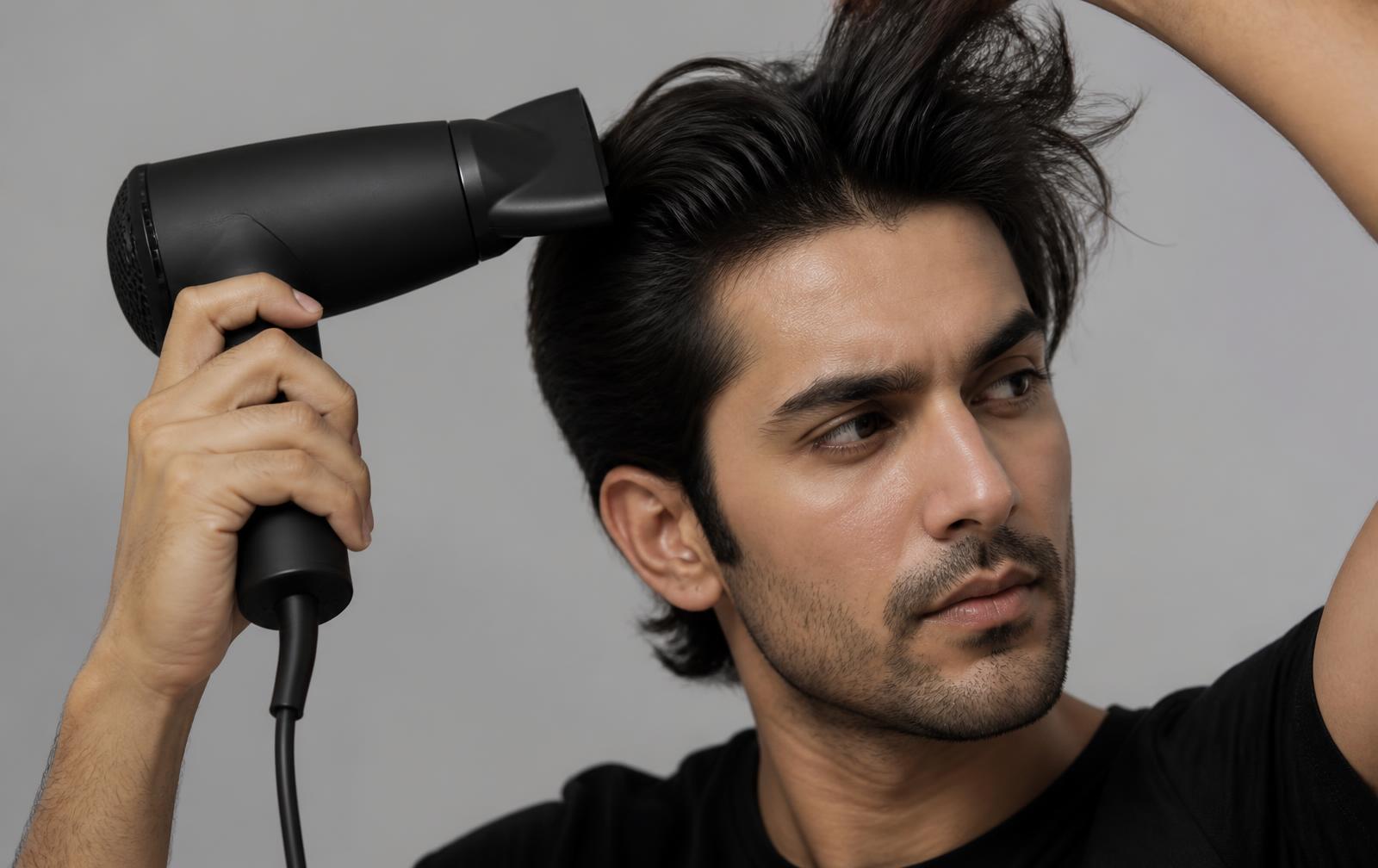
Dry your hair at the root first, pushing it against the direction it naturally falls, using medium heat and a nozzle. Finish each section on cool air before you let go. Volume is set by how the hair dries, not by what you put on it afterwards.[2]
Key takeaways
- Hair sets its shape as it dries — that is the window where volume is won or lost.[1]
- Dry the roots first, against the natural fall, then the lengths.[1]
- Medium heat with a nozzle beats maximum heat with no nozzle.[1]
- The cool shot is what fixes the shape; skipping it is why volume drops within the hour.[2]
- Product before drying supports the shape; product after drying only decorates it.[2]
Why drying is the step that decides volume
Water temporarily breaks the hydrogen bonds inside a strand. As the hair dries, those bonds reform — in whatever shape the hair happens to be in at that moment.
That is the whole mechanism. If hair dries lying flat against the scalp, it sets flat, and no amount of product applied afterwards will genuinely lift it; it will only hold the flat shape more firmly.
So the goal of a volume blow-dry is simple: make sure the root is standing up while the last of the moisture leaves it.
What you need
- A dryer with a nozzle. Without one the airflow is wide and unfocused, and you cannot direct a root.
- Medium heat, high airflow. Heat is not what creates the shape; movement of air and direction are.
- A cool setting. Non-negotiable for hold.
- Optional: a pre-styling product applied damp, which gives the hair grip while it dries.
The method
- 01Towel-dry to damp. Soaking hair takes too long to dry and slumps under its own water weight. Aim for damp, not wet.
- 02Apply anything that goes on damp hair now. Sea salt spray or a similar preparation product; work it through the mid-lengths, not the scalp.
- 03Rough-dry to about 70%. Fingers moving continuously, dryer 15–20cm away, no shaping yet.
- 04Dry the roots against the fall. Section by section, push the hair up and back with your fingers and aim the nozzle at the root, not the ends. Where the hair wants to fall forward, dry it back. Where it wants to fall flat, dry it upward.
- 05Hold the section and finish it dry. Keep tension while that root finishes drying; letting go early lets it relax back down.
- 06Cool shot each section. Two or three seconds of cool air while you are still holding the shape. This is the step that sets it.
- 07Then style. Root support first, control product last.
Blow dry techniques for volume, by hair trait
The same method needs different emphasis depending on how your hair behaves.
- Thick, dense hair. More sections and more patience — the inner layer is still wet long after the surface feels dry, and wet roots collapse. Read why thick, straight hair falls flat.
- Fine hair. Less heat, more cool air, and a light touch — fine hair sets fast and overheats faster.
- Straight hair. Direction does the work. Drying straight up gives the most root height.
- Wavy or curly hair. Volume comes from lifting at the root without disturbing the pattern along the length.
- Oily scalp. Get the root fully dry; residual damp plus sebum is what collapses a style by midday.
- Coarse, resistant hair. Keep tension longer and cool longer; resistant hair reverts the moment it is released warm.
Why your volume disappears by noon
Three usual causes, in order of frequency.
- 01The root never fully dried. It felt dry on the surface and set flat underneath.
- 02No cool shot. Warm hair released into gravity relaxes as it cools.
- 03Weight from below. Oil moving down the strand, or product applied to the scalp rather than the mid-lengths.
If hair also feels slick by the afternoon, the cause may be oil timing rather than technique — see why your hair becomes oily by noon.
How long it should take
Once the sequence is habit, a short men''s cut takes three to five minutes; medium length, five to eight. Longer than that usually means the hair was still too wet at the start.
Speed comes from drying in the right order — roots, then lengths, then finish — not from turning the heat up.
Still flat by lunch
Still losing volume by noon?
6 questions
Find Out What Your Hair NeedsHow we know this
- Hydrogen bonding and temporary hair setting — Water breaks hydrogen bonds within the strand; they reform as hair dries, fixing whatever shape the hair is in at that point.
- Cool air and shape setting — Hair holds a set shape more reliably once it has cooled while still under tension, which is the basis of the cool-shot step.
- NoonProof styling observations — Sequence refined through in-house routine testing across hair densities; presented as practical technique, not clinical measurement.
Last reviewed August 14, 2026
What this means for your routine
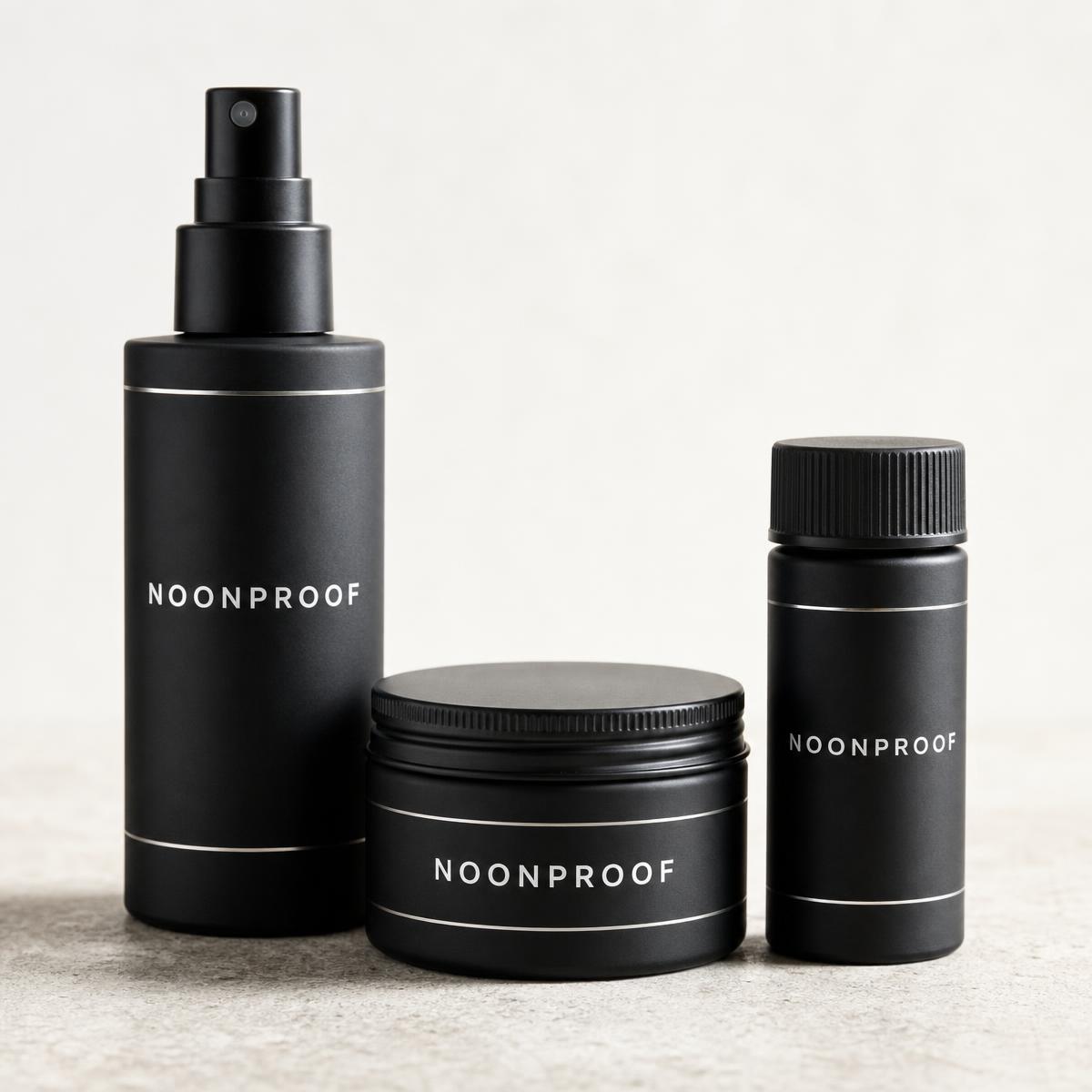
Where NoonProof fits
- PRE-STYLE
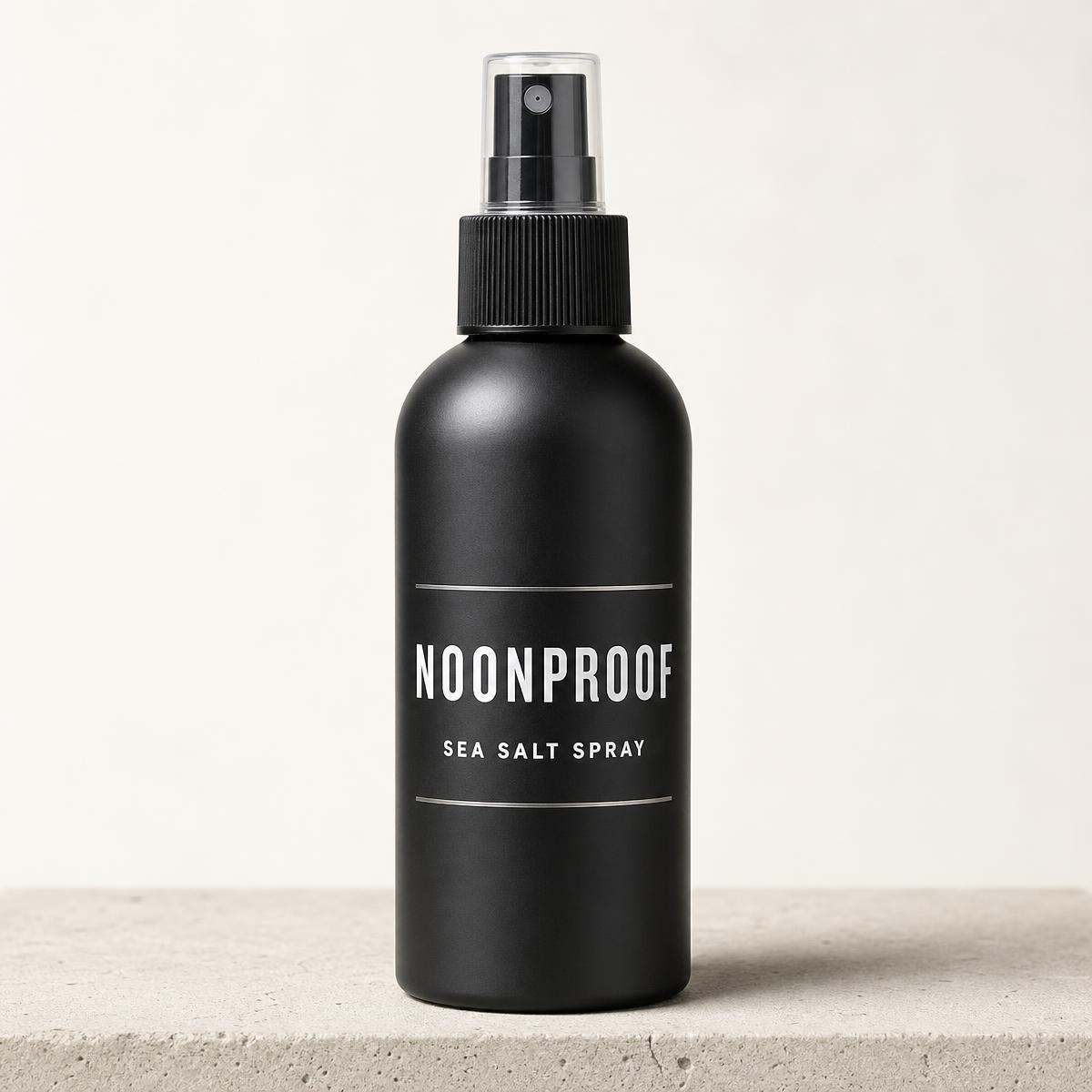
NoonProof Sea Salt Spray
Applied damp, before the dry-down, so the shape has grip while it sets.
See Sea Salt Spray - ROOT VOLUME
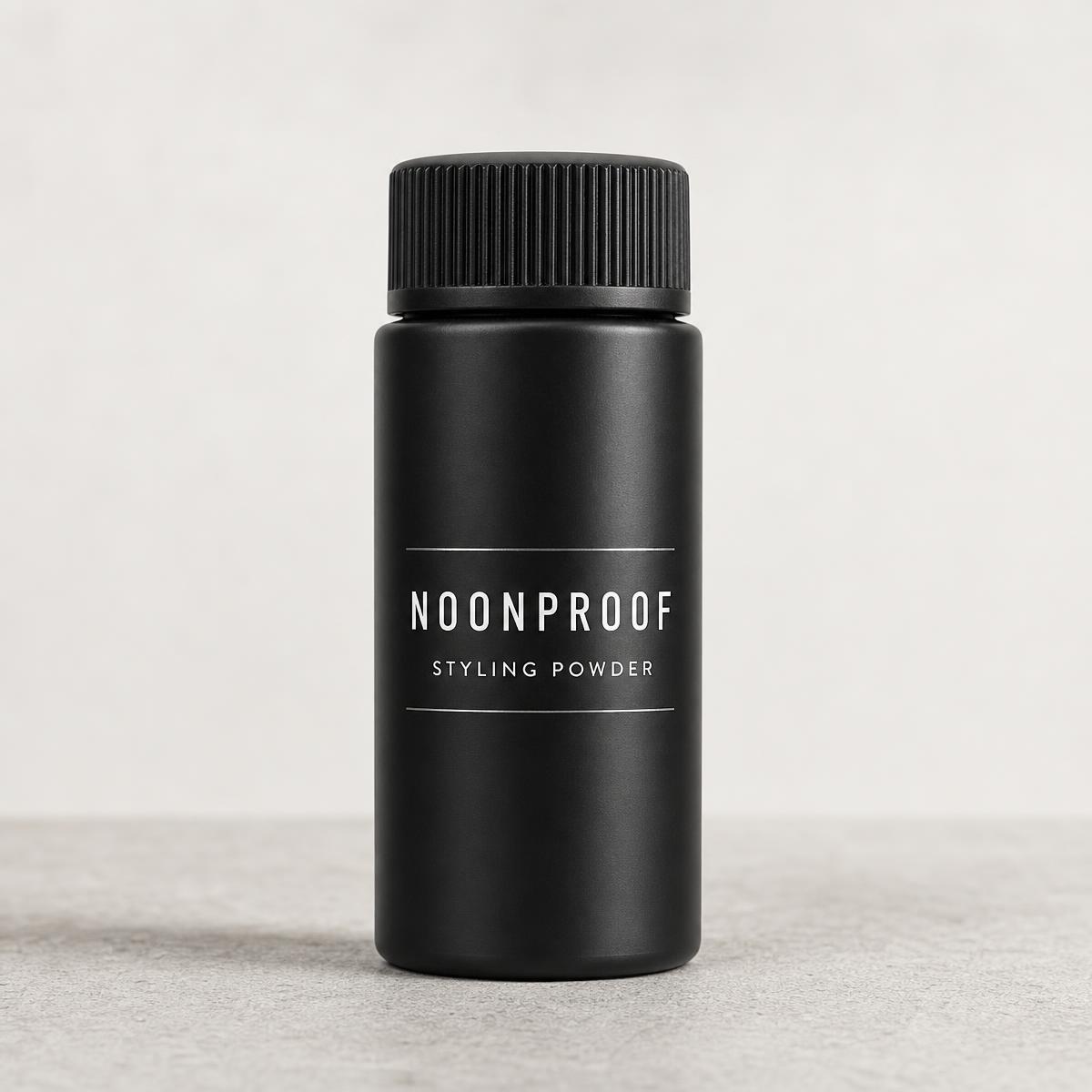
NoonProof Styling Powder
Supports the root height you created during the blow-dry.
See Styling Powder
Keep reading
Related guidance
Filter the library by the problem you are solving, your hair type, or the technique you want to get right.
 Volume & Root Lift
Why Thick, Straight Hair Falls Flat by Midday
Thick hair has the mass to hold a shape but none of the structure. Here is why it collapses a few hours in, and how to set the root so it does not.9 min read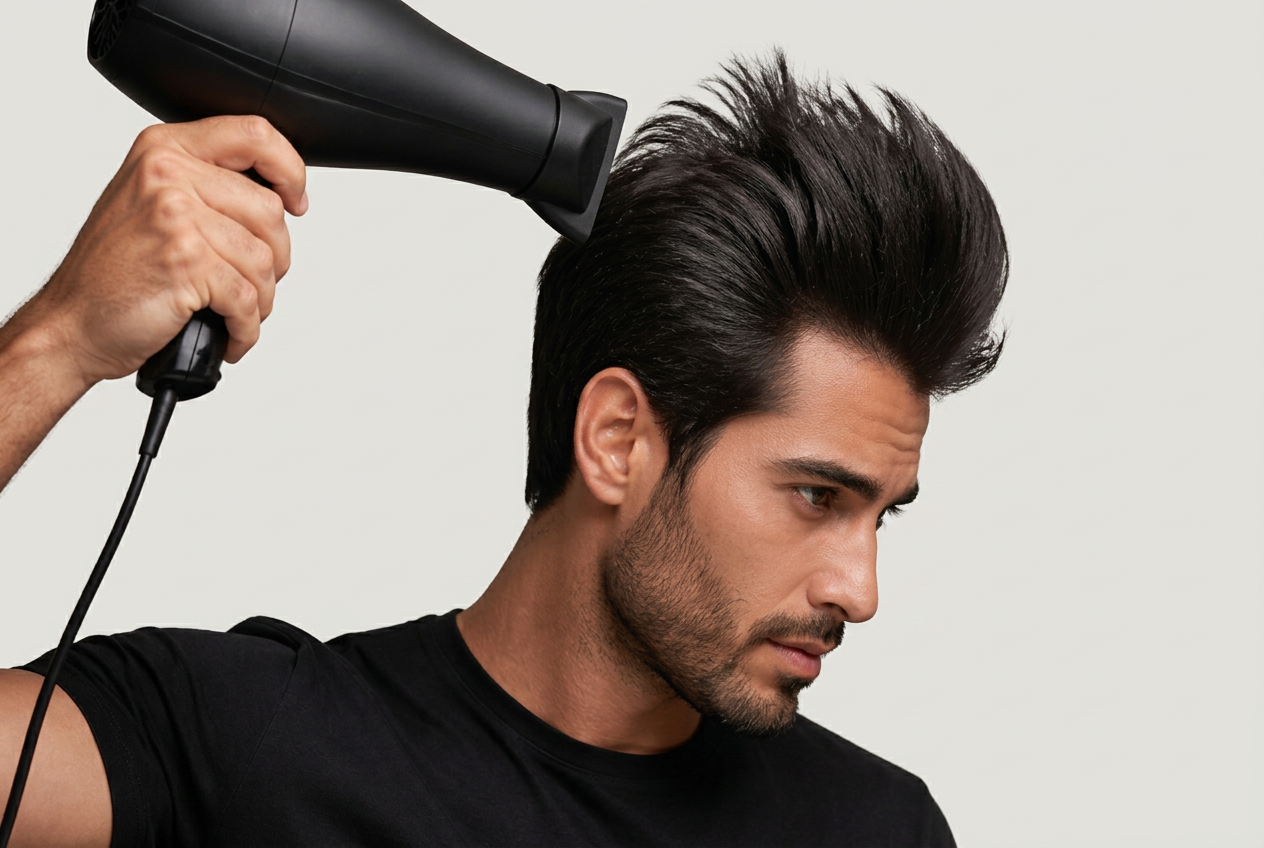 Blow-Dry Technique
How to Blow-Dry Thick Hair for Volume That Lasts
The drying stage decides your whole day. A repeatable sequence for setting root direction in thick hair.8 min read Fine Hair
How to Get Volume in Fine Hair Without It Going Crunchy
Fine hair lifts easily and gets overwhelmed just as easily. The trick is grip without weight — and far smaller amounts than you think.8 min read Application Technique
How Much Texture Powder Should You Use?
Texture powder is the easiest styling product to over-apply. This is how much to use, where it goes, and what to do when you have used too much.6 min read