


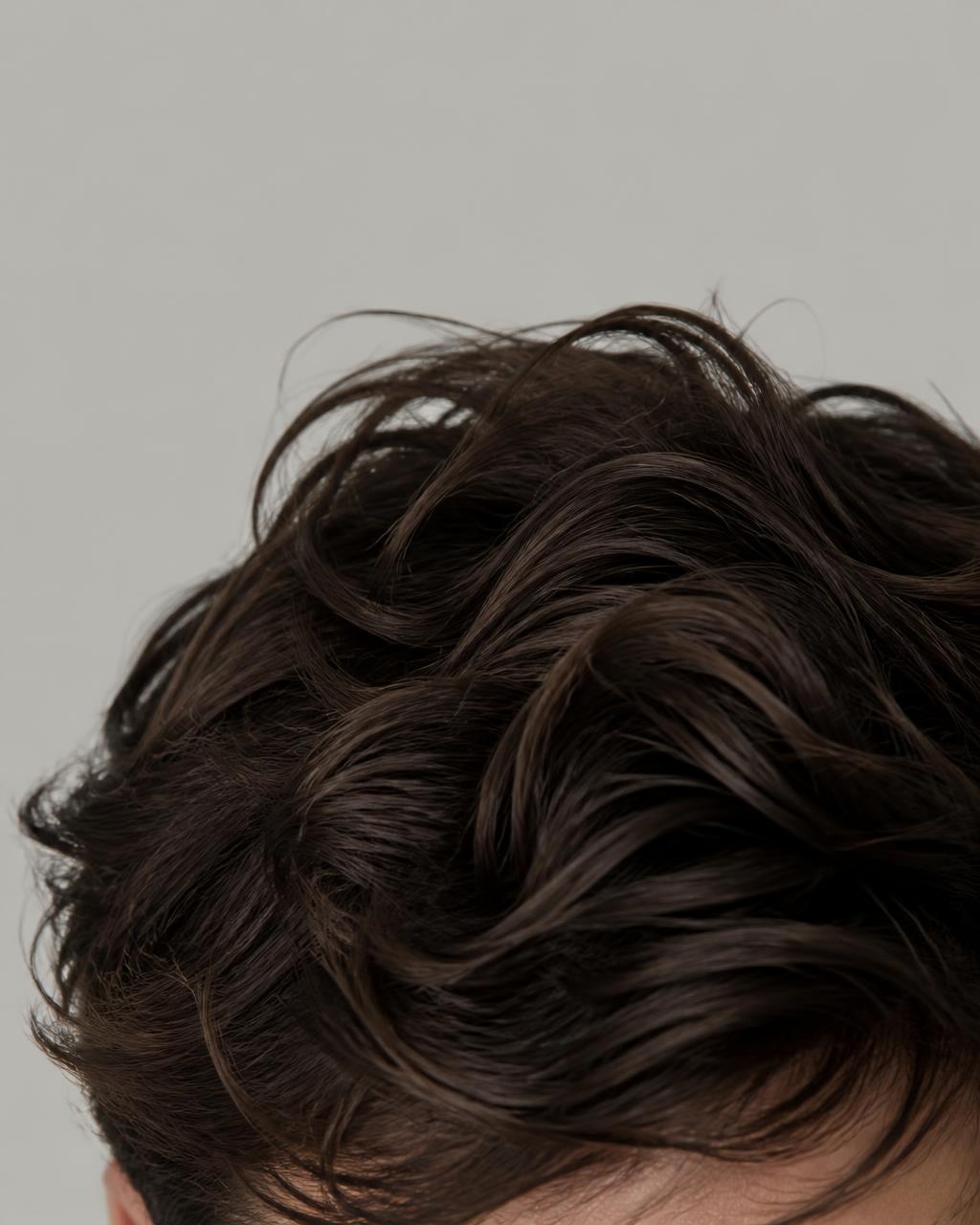
Oil Control
Why Your Hair Becomes Oily by Noon
Hair rarely gets oily all at once. It is usually a mix of natural oil, leftover product, heavy application and habit — all of which you can adjust.
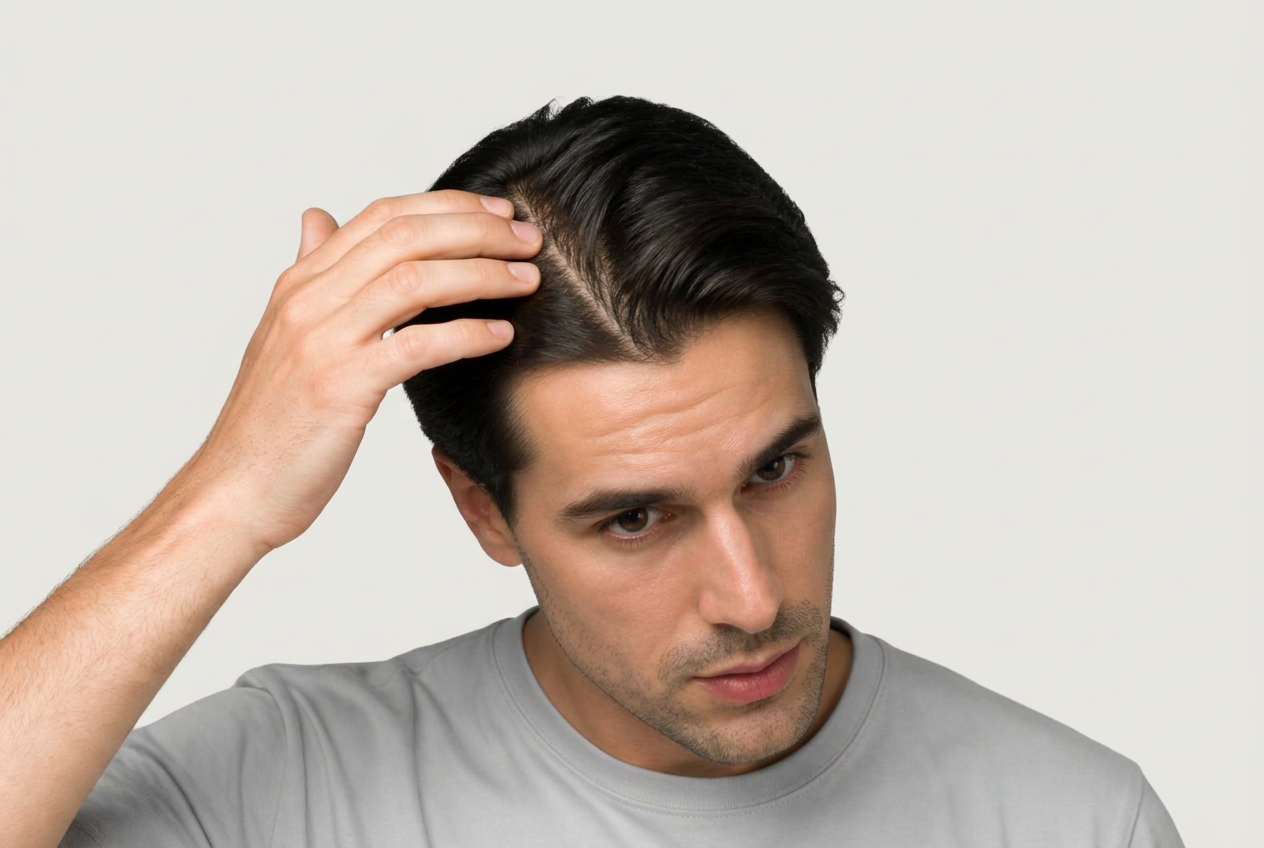
The short answer
Hair usually looks oily by midday for a combination of reasons: natural oil has had a few hours to travel from the scalp along the strands, leftover product from previous days is still sitting on the hair, the morning's application was heavier than it needed to be, and hands have been through it several times.
Heat and humidity accelerate all of that. The fix is rarely more product — it is lighter application, better placement, a genuine wash cycle, and a dry matte reset at the root when the style drops.
Key takeaways
- Oil moves from the scalp outward through the day, so the root area shows it first.[1]
- Product that is never fully washed out changes how hair behaves and looks over time.[1]
- Heavy application at the root adds weight and shine exactly where you want neither.[1]
- Touching your hair transfers oil from your hands and breaks up the shape.[1]
- Heat and humidity make everything above happen faster.[1]
- A dry matte reset restores lift better than adding a second layer of product.[1]
Natural scalp oil and how it travels
Hair does not become oily evenly. Oil originates at the scalp, so the root area shows it first and the ends show it last. That is why a style can look clean at the surface while the root has already gone slick and lost its lift.
How quickly this becomes visible varies a lot between people, and it also varies with hair type. Straight hair gives oil a direct path down the strand, so it spreads and reflects light sooner. Dense hair concentrates it near the scalp, where it has the most effect on volume.
None of this is a problem to be eliminated — it is normal hair behaviour. What you can change is how much you add on top of it.
Product buildup from previous days
Styling products are designed to be washed out. When they are only partly removed and then re-layered day after day, the hair starts to carry a residue that never fully leaves.
The signal is behavioural rather than visual at first: your usual amount of product stops doing what it used to do. The hair feels coated, separation drops, and the style goes flat sooner than it did a few weeks ago. At that point most people add more product, which compounds the problem.
What to change
Wash properly rather than rinsing, and give the root area the attention rather than just the surface. If your routine is product-heavy, a genuine reset wash once or twice a week is usually enough to keep the hair responsive.
Heavy application and where it lands
A large amount of product concentrated in one place is the fastest route to hair that looks greasy by lunchtime. Two things go wrong at once: the weight pulls the root down, and the concentration of product reflects light in a way that reads as oil even when the hair is clean.
Placement matters as much as quantity. Dense product pressed into the scalp area sits exactly where lift is supposed to come from. The same product distributed through the mid-lengths and surface can give the same control without the shine at the root.
Start with less than you think you need and build. You can always add; you cannot take product back out without washing.
Touching your hair through the day
Hands carry oil. Every pass through the hair transfers a little of it, usually into the front and top — the sections most visible and most dependent on lift.
Touching also breaks the set. The shape you built while the hair dried is holding a position it does not naturally rest in, and repeated adjustment gradually returns it to that resting position.
If you catch yourself reaching for your hair often, it is usually because the style is not sitting where you want it. That is a styling problem to solve in the morning rather than a habit to fight all day.
Heat, humidity and environment
Warm environments and physical activity both bring moisture to the surface, and humid air changes how a finished style behaves. In some conditions hair softens and settles quickly; in others it swells slightly and loses its intended line.
Effects vary considerably by hair type, length, condition and climate, so treat humidity as a variable to test rather than a fixed rule. If your style consistently collapses on hot or damp days, look at two things first: whether the hair was fully dry before styling, and whether your product choice has a matte or a wet finish.
How to keep lift without looking overloaded
The goal is a style that looks like hair rather than a style that looks like product. That usually comes down to five habits.
- Dry fully. Damp hair styled in the morning tends to drop first.
- Choose a matte finish. A dry finish reads as clean for longer than a glossy one.
- Keep the root light. Powder for lift at the root; heavier product from the mid-lengths out.
- Use less, spread more. Emulsify between the palms so nothing lands as a patch.
- Reset instead of adding. Dry hands, a small amount of powder at the root, shake the hair out.
A 30-second midday reset
When the style drops in the afternoon, the instinct is to add product. A reset is usually more effective and takes less time.
- Make sure your hands are dry and clean.
- Tap a very small amount of powder into the root area of the flattest sections.
- Work it in at the scalp with your fingertips, not your palms.
- Shake the hair out and reshape the front last.
If you find yourself resetting every single day, the morning routine is the place to adjust — usually by reducing the amount of product and spending an extra minute on the drying stage.
Sources and editorial status
This article describes what you can observe on your own hair over a day. It is not medical advice, it does not diagnose or describe any scalp condition, and it makes no claim about sebum chemistry or scalp biology, because no clinical or cosmetic-science source was reviewed for this piece.
If you have a persistent scalp concern such as irritation, flaking or hair loss, that is a conversation for a qualified professional rather than a styling article.
General styling guidance from the NoonProof editorial team. This article is not medical advice and does not describe verified product testing.
Keeping a matte finish through the day
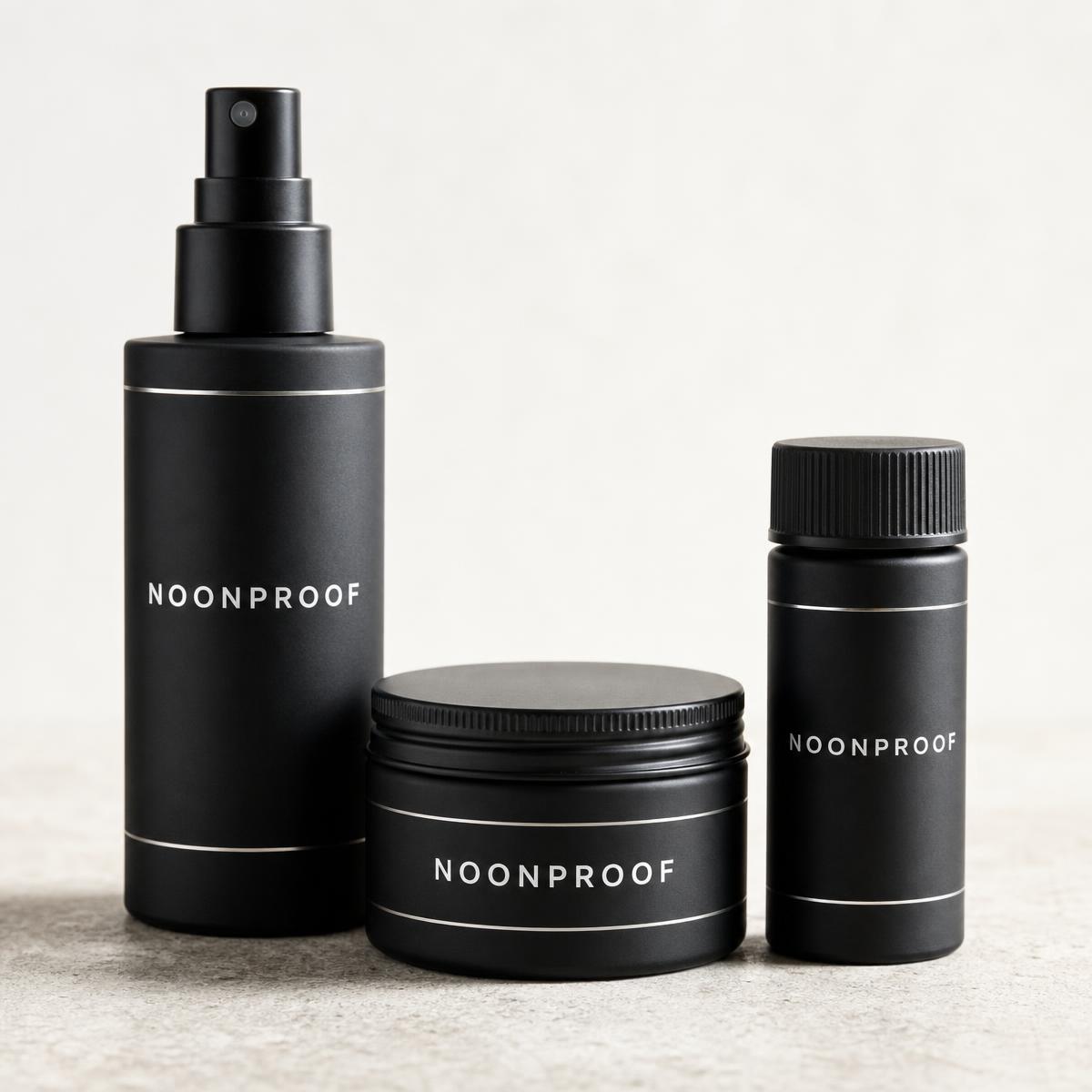
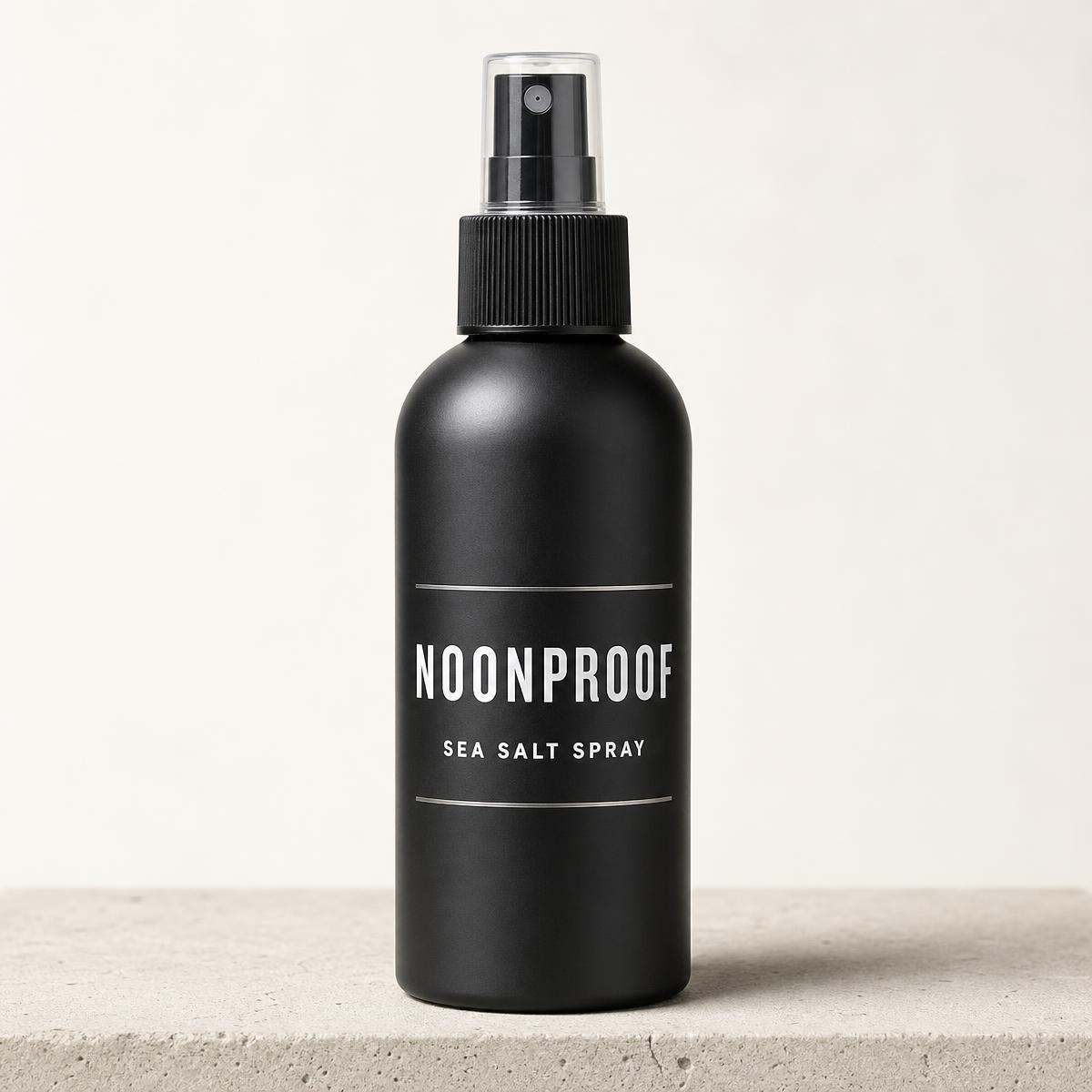
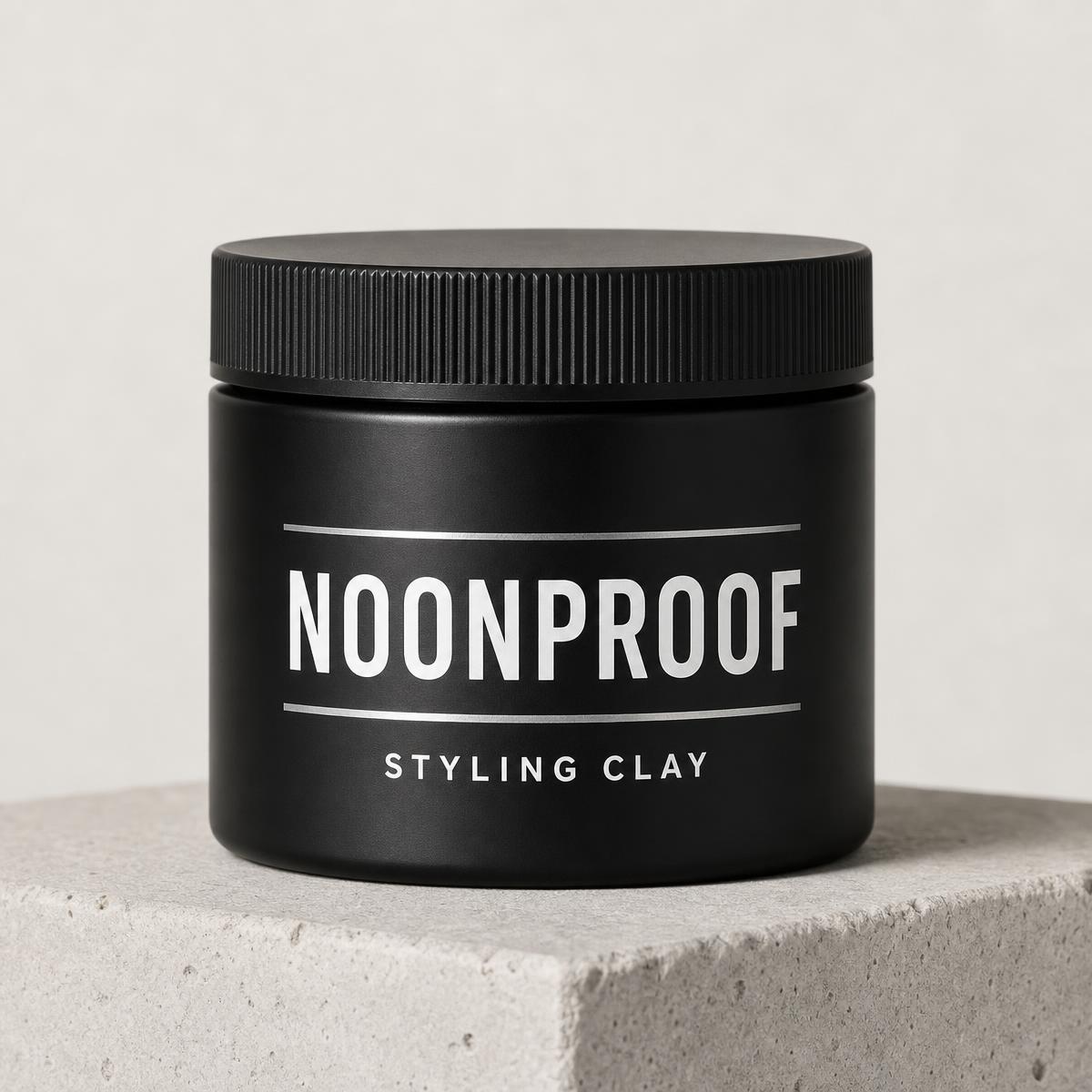
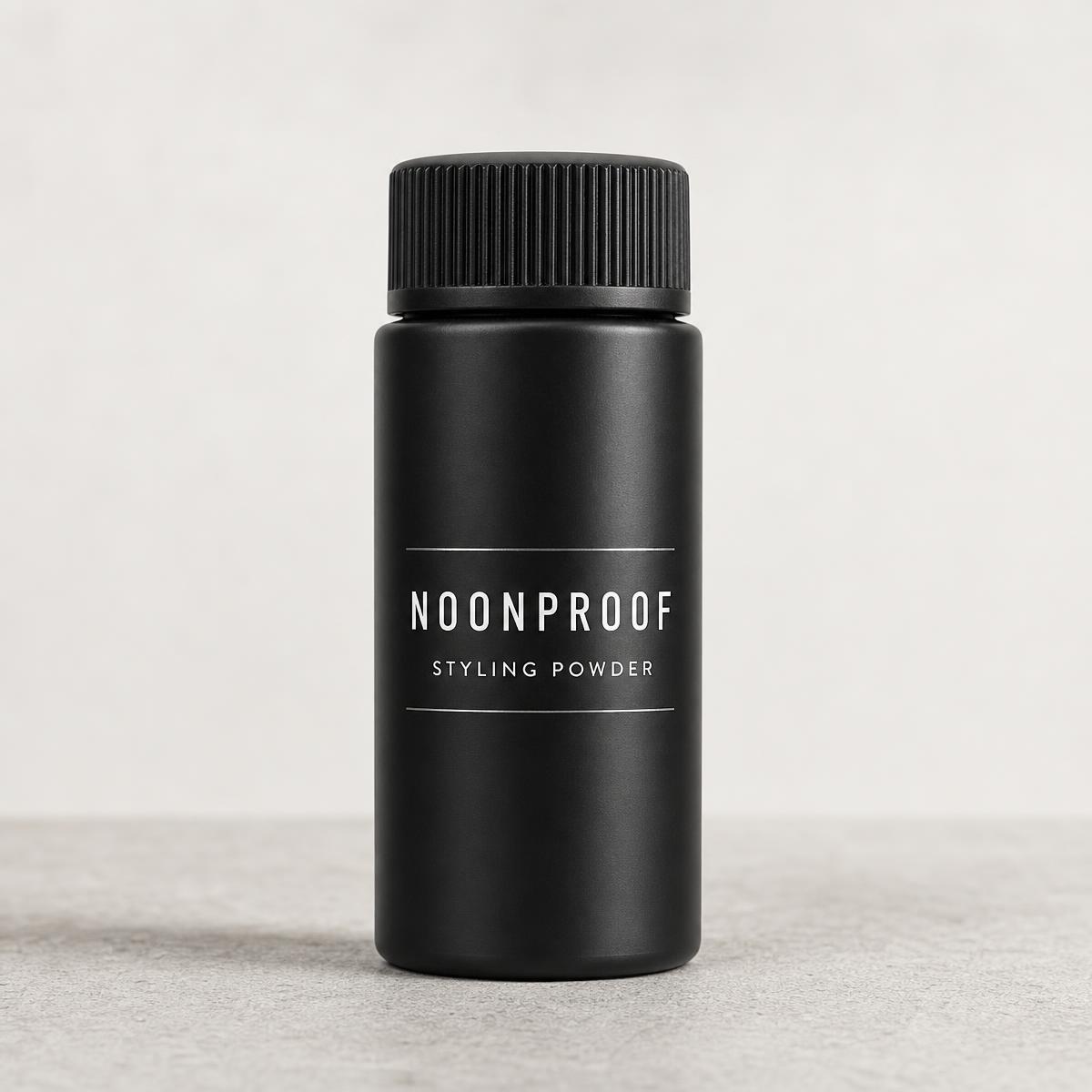
NoonProof Styling Powder is designed for root lift and a dry matte finish, which is why it is the easiest midday reset. For a style that holds its shape from the start, Styling Clay gives matte control without a wet-look finish.
Get a recommendation for your hair with the Hair Quiz