


Volume & Root Lift
Why Thick, Straight Hair Falls Flat by Midday
Thick hair is not the same thing as visible volume — here is how weight, growth direction, oil, product buildup and technique can flatten a style, and what to change.
The short answer
Thick, straight hair can still fall flat because volume depends on what happens at the root, not on how much hair you have. The weight of dense hair tends to pull downward, straight growth offers little natural bend to hold shape, and natural oil gradually reduces the separation between strands.
Heavy product, product applied in the wrong place, product buildup over time and drying hair in the direction it already falls can all work against lift. In most cases the fix is technique and placement rather than more product.
Key takeaways
- Density is how much hair you have; volume is the space held at the root. They are not the same thing.[1]
- Weight and straight growth direction can both work against root lift as the day goes on.[1]
- Oil and residual moisture can reduce separation, so a style may look tighter and flatter by midday.[1]
- Heavy product pressed into the roots often adds weight exactly where lift is needed.[1]
- Drying direction and root placement usually do more for volume than increasing the amount of product.[1]
- A midday reset can often restore shape without adding product at all.[1]
Why thick hair can still lack volume
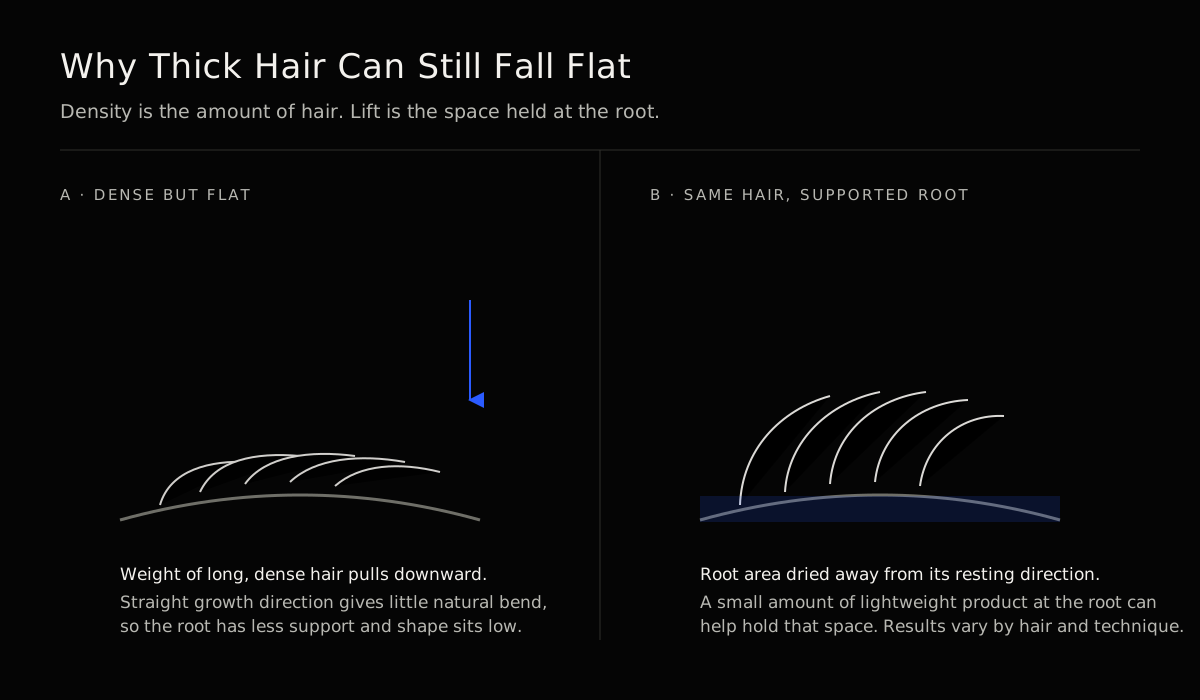
It is easy to assume that a lot of hair automatically means a lot of volume. In practice they are separate things. Density describes how much hair grows from a given area of the scalp. Volume, as most people judge it in a mirror, describes how much space the hair holds immediately above the scalp — the root lift.
Dense hair can sit tightly against the head while still being very thick. Each strand adds weight, and the combined weight of a dense head of hair pulls the whole shape downward through the day. That is why a style can look full at 8 a.m. and read as flat by midday even though nothing has been lost.
How straight growth patterns affect lift
Hair with more bend in it tends to prop itself up: each curve creates a point of contact that resists collapse. Straight hair generally has fewer of those points, so it can rest closer to its natural falling direction once it settles.
This is not an absolute rule. Some people with straight hair hold shape well, particularly at shorter lengths or with a haircut that removes weight. But if your hair grows out and down and your style depends on it standing away from the scalp, you are asking the hair to hold a position it does not naturally rest in — and that position needs support.
How oil affects separation and shape
Hair usually looks fullest when strands sit slightly apart from one another. As natural oil travels along the hair through the day, it can reduce the friction that keeps strands separated, so sections start grouping together and reading as one smoother, heavier mass.
You can often see this on your own hair: a style that looked textured in the morning may look tidier but noticeably flatter by early afternoon. This is a styling observation, not a diagnosis — nothing here is intended to describe a scalp condition or suggest treatment.
How moisture and humidity may affect styling
Humid air and hair that was not fully dried before styling can both change how a finished shape behaves. In some cases hair becomes softer and settles more quickly; in others it swells slightly and the style loses its intended line.
Effects vary considerably by hair type, length, condition and climate, so it is worth treating humidity as a variable to test rather than a rule to follow. If your style consistently collapses on damp days, the drying stage is usually the first place to look.
How product buildup affects volume
Styling products are designed to be removed. When heavier products are layered day after day and not fully washed out, hair can start to feel coated, and it may respond differently to the same routine — less movement, less separation, less willingness to hold a lifted shape.
The practical signal is a change in behaviour: your usual amount of product stops doing what it used to do. Adding more at that point usually makes it worse. A proper wash and a fresh start is often more effective than another layer.
Why heavy products may reduce root lift
Products differ enormously within any category, so it would be wrong to say that all clays, waxes or creams are heavy. What matters is the weight of the specific product you are using, how much of it you apply, and where it ends up.
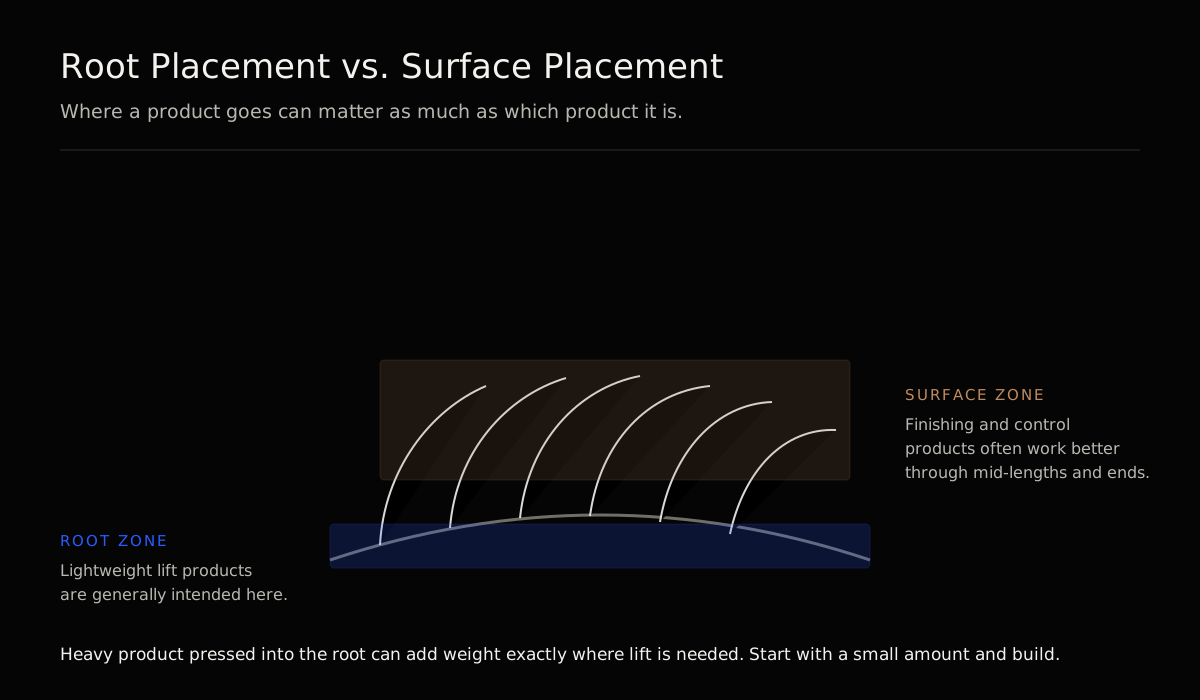
A dense product concentrated at the roots can add weight in the exact place that needs to stay light. The same product distributed through the mid-lengths and surface may give you the control you wanted without pulling the root down. Start with a small amount and build — you can always add, but you cannot easily remove.
Why drying direction matters
If you dry hair in the direction it naturally falls, you are setting it into that resting position. If you direct airflow across or against that direction while lifting at the root, you are setting it into a shape that holds more space.
This one change often does more for volume than any product swap. It also costs nothing. Aim the air at the root area rather than the ends, keep the dryer moving, and let the hair cool in the lifted position before you finish styling.
Why root application matters
Product placement is a distinct decision from product choice. As a general convention, lightweight volumising products are intended to support the root area, while finishing products often work better through the mid-lengths and the surface where you are shaping and controlling the style.
| Zone | Generally suited to | What to avoid |
|---|---|---|
| Root area | Small amounts of lightweight lift or texture products | Dense product pressed into the scalp area |
| Mid-lengths | Shaping and directional control | Loading product before the shape is dry and set |
| Surface and ends | Finishing, separation and hold where needed | Repeated layering through the day |
Common styling mistakes
- Applying too much product at once instead of building gradually.
- Pressing a heavy product directly into the roots.
- Styling while the hair is still too wet to hold a shape.
- Drying entirely in the direction the hair naturally falls, then expecting lift.
- Adding more product when the real issue is buildup from previous days.
- Ignoring length and density — the same amount of product behaves differently on a longer or denser head of hair.
- Using one identical routine for every hairstyle you wear.
A practical morning routine
This is a general sequence you can adapt. Timings and amounts depend on your hair length, density and the specific products you use.
- Start with clean hair, or hair properly refreshed with water — not yesterday's product reactivated.
- Remove excess moisture with a towel so the hair is damp, not wet.
- Direct airflow across or against the natural growth direction rather than straight down.
- Lift the root area with your fingers or a brush while it dries, and let it cool in that position.
- Apply a small amount of a lightweight product at the root area.
- Build gradually if you need more, checking the result between additions.
- Add finishing control only where you need it, usually through the surface.
- Check the shape from the front, both sides and the back.
- Stop. Extra product added at the end is what tends to collapse first.
A midday refresh method
Most midday collapse is compression, not a lack of product. Try resetting the shape before you reach for anything.
- Break up compressed sections with clean, dry fingers.
- Lift at the roots rather than reshaping the ends.
- Reposition the overall shape in the direction you originally set it.
- Add a very small amount of an appropriate product only if the shape will not hold.
- Avoid layering heavy product on top of what is already there — that is usually what accelerates the next collapse.
Who this advice is for
This guidance is likely to be most useful if you have:
- Thick or dense hair
- Straight hair that grows out and down
- Hair that resists holding a styled position
- Hair that loses root volume during the day
- Hair that is easily weighed down by product
What still varies
Results depend on hair length, density and condition, on styling technique, on climate, and on which product you use and how much of it. Two people with similarly thick hair can get different outcomes from the same routine, so treat everything above as a starting point to adjust rather than a formula.
Final summary
If thick, straight hair falls flat by midday, the cause is usually a combination of weight, growth direction, oil, buildup and technique rather than any single failure. The changes with the largest effect are also the cheapest: dry the root away from its resting direction, place a small amount of lightweight product at the root instead of a heavy one, and reset the shape at midday before adding anything new.
Work through one variable at a time for a week and you will learn which ones matter most for your own hair.
Sources and editorial status
This article is general styling guidance written by the NoonProof editorial team, based on widely used barbering and styling technique rather than laboratory testing. No study, clinical finding or product test result is cited, because none was reviewed for this piece.
Statements about oil, moisture and product buildup are written as observations a reader can check on their own hair, not as explanations of scalp biology or product chemistry.
General styling guidance from the NoonProof editorial team. This article is not medical advice and does not describe verified product testing.
The NoonProof approach
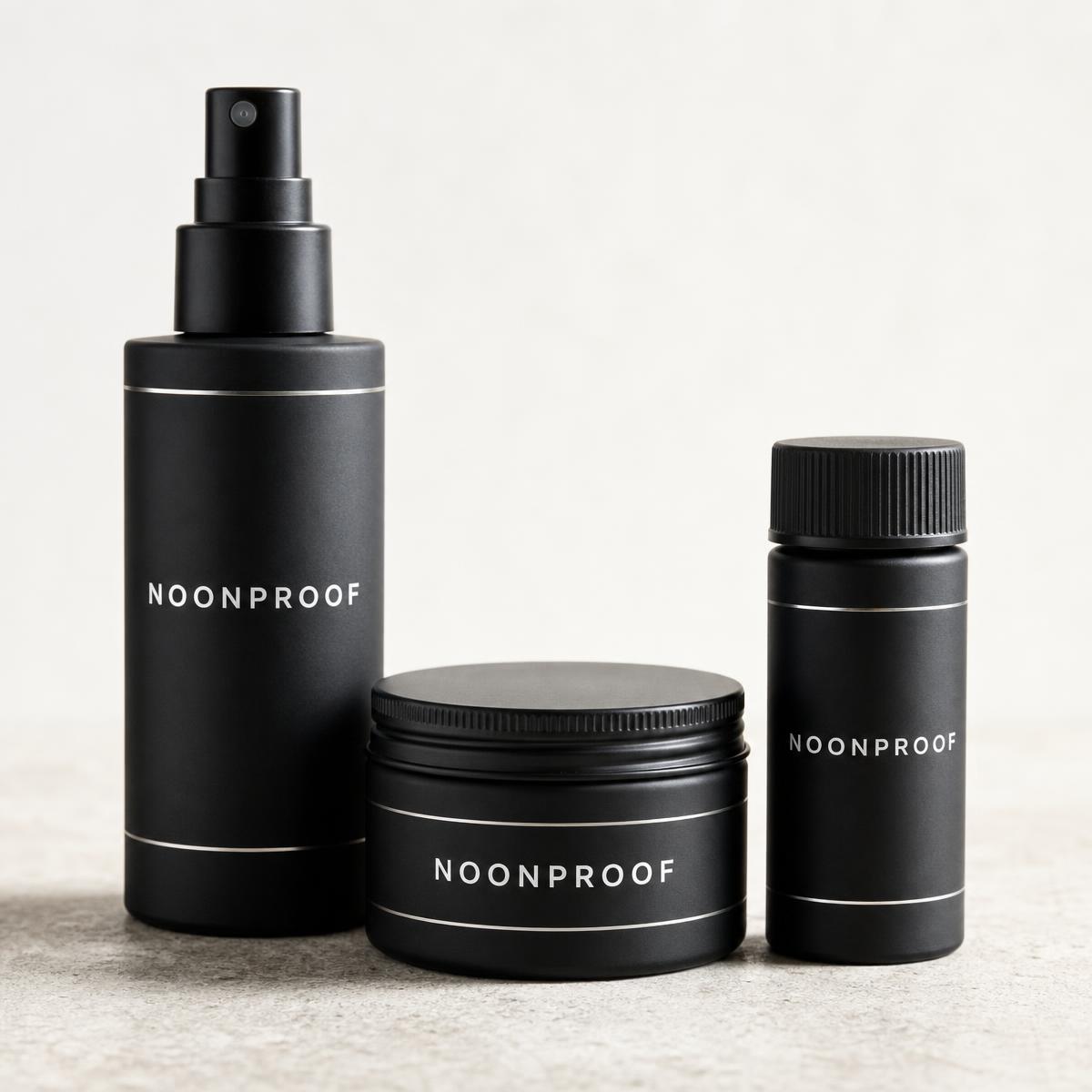
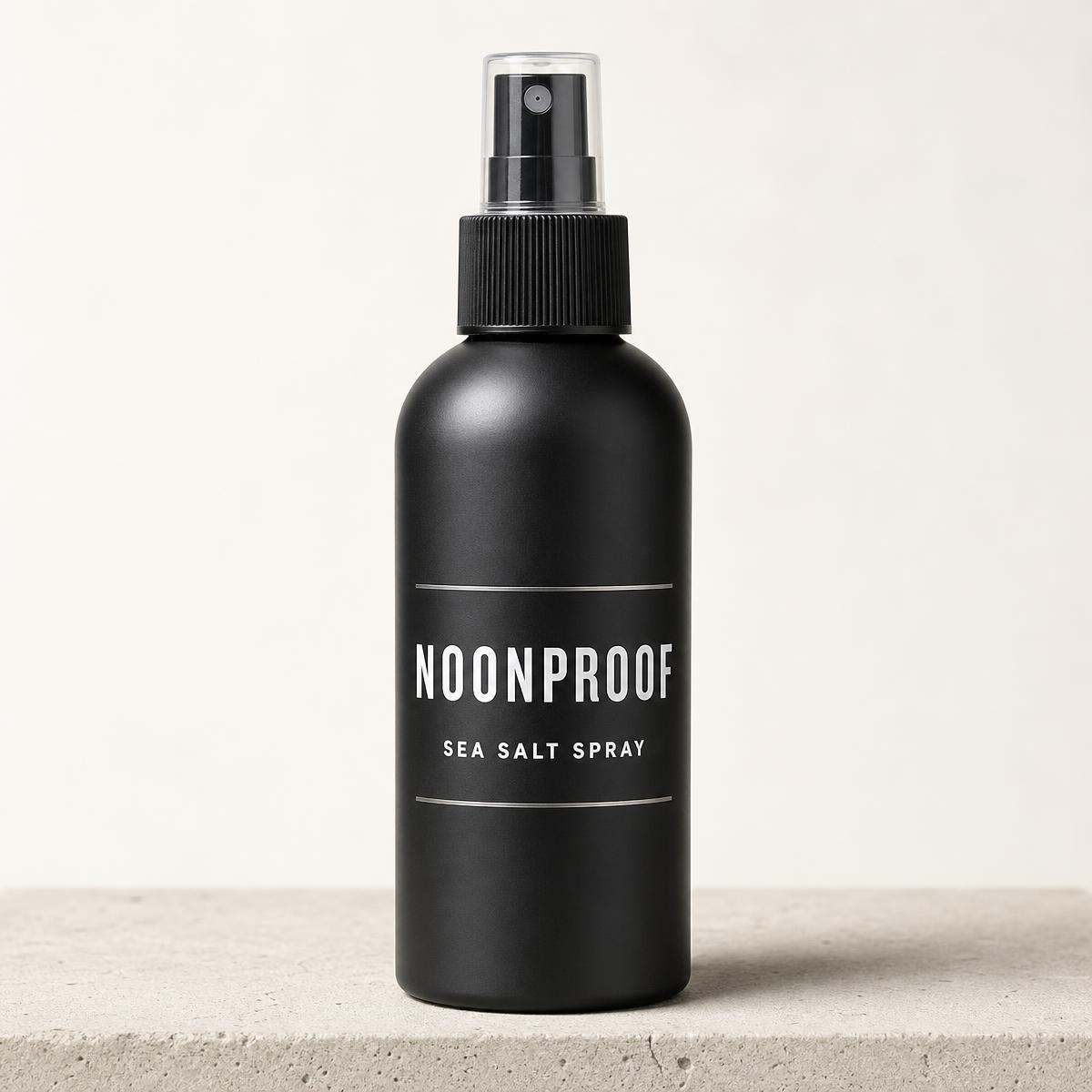
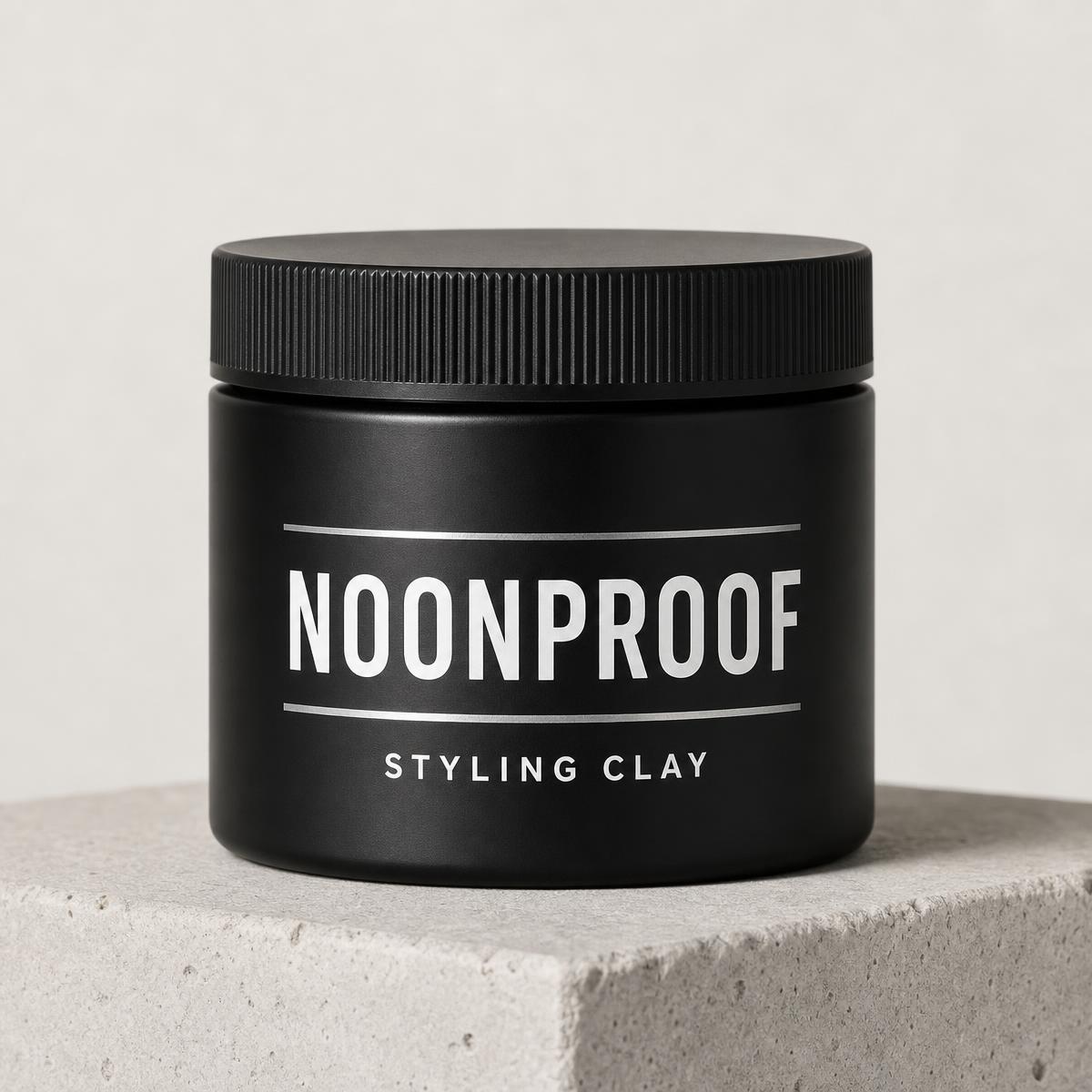
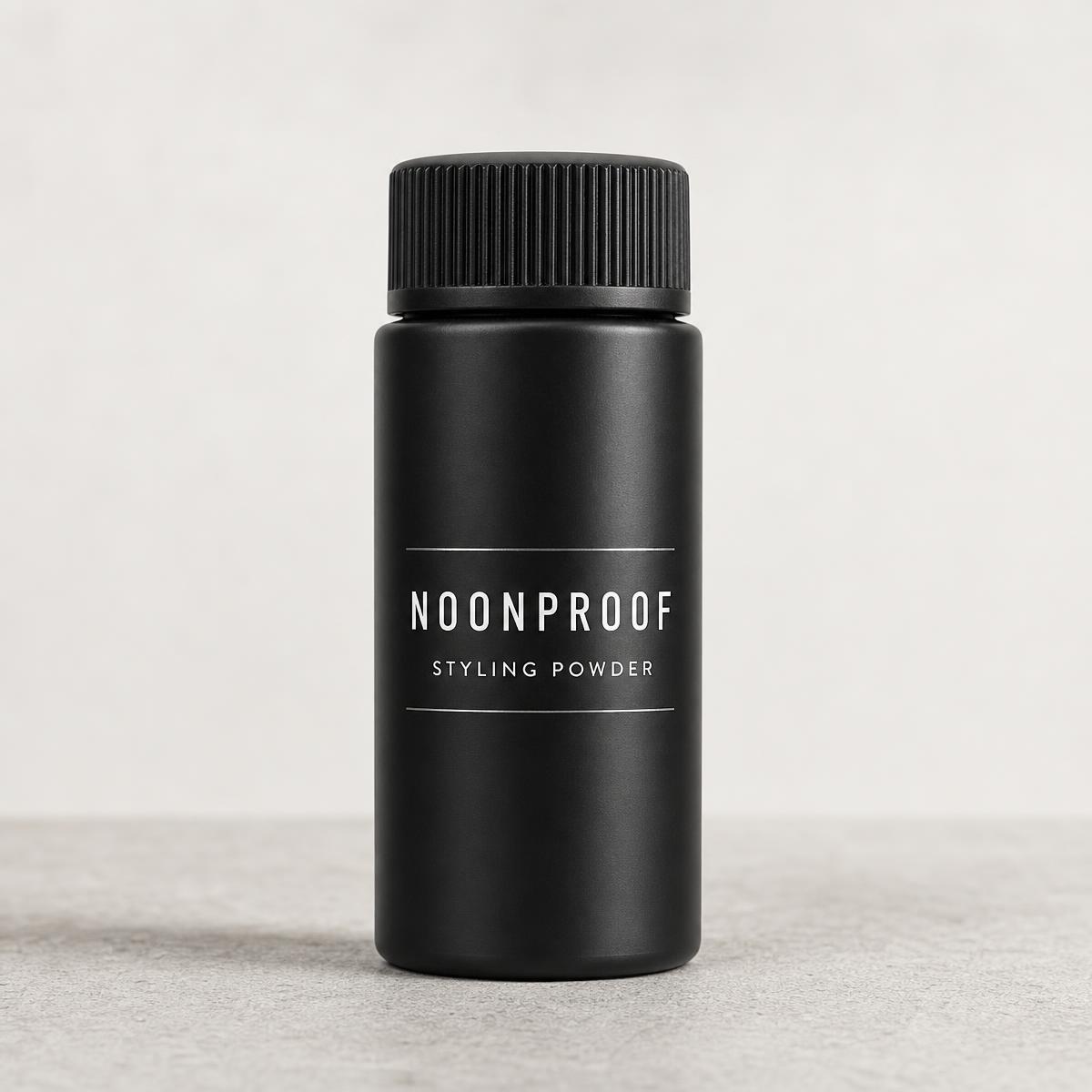
NoonProof is developing styling products for thick, dense, straight and hard-to-style hair — the kind that loses volume, resists styling or falls flat during the day. That focus is the reason this article exists: the flattening described above is the behaviour we are designing around.
We are not claiming a fix here. Products are still in development and there is no verified performance data to share. If you want a starting point tailored to how your own hair behaves, the quiz is the most useful next step.