


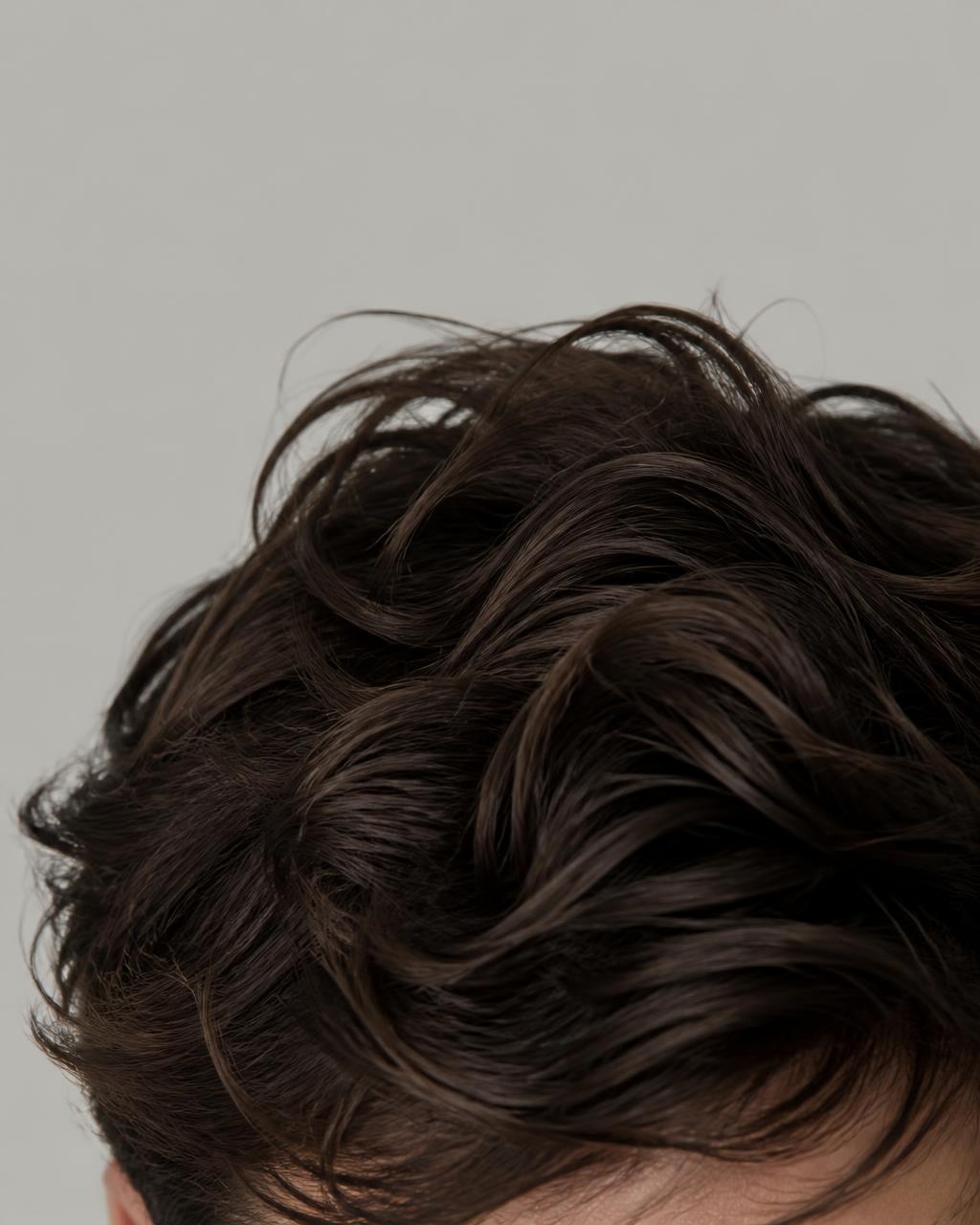
Humidity & Hold
How to Keep Your Hair Styled in Humidity
9 min readReviewed by the NoonProof editorial team

Quick answer
How do I keep my hair styled in humidity?
Humidity breaks a style because water in the air is absorbed into the strand, which swells and releases the shape it was dried into. To hold a style in humid conditions, dry the hair completely before styling, set the root firmly while drying, and finish with a dry, matte product rather than a wet-look or water-soluble one. Anything that softens when it absorbs moisture will drop within an hour.
Key takeaways
- Humidity works from inside the strand: hair absorbs water from the air, swells and releases its set shape.
- Hair that is not completely dry before styling has no chance in humid conditions.
- Dry, matte finishes resist moisture far better than anything glossy or water-soluble.
- Sweat attacks the same two places every time — the hairline and the crown — so build extra hold there.
What humidity does to a strand
Hair is hygroscopic: it takes water out of the air and holds it. In dry conditions a strand sits at a low moisture content and keeps whatever shape it was dried into. In humid air it absorbs water, swells slightly in diameter and lengthens, and the internal bonds that were holding your set shape relax.
That is why humidity produces effects that seem contradictory. Straight hair goes limp and drops. Wavy hair swells, separates and appears to grow. Both are the same process: the strand returning to its own natural state because the set has released.
Understanding this rules out a whole category of wasted effort. You are not fighting untidiness on the surface. You are trying to slow down water getting into the strand, and to give the shape enough physical structure that it survives some swelling.
Why sweat is a separate problem
Sweat adds three things humidity alone does not: heat at the scalp, salt, and volume of liquid in one specific place.
Heat softens whatever film is holding the root. Salt draws in moisture and leaves a residue as it dries. And because sweat starts at the scalp, it attacks the exact point where your volume is anchored. This is why a style tends to fail at the hairline and crown first on a hot day, even when the rest of it looks fine.
Interestingly, the salt in sweat is not entirely working against you — dried salt adds grip and texture, which is the same principle behind salt sprays. What ruins the style is the liquid and heat at the root, not the salt on the lengths.
The non-negotiable: dry hair completely
In humid conditions, partly dried hair is the single biggest cause of style failure. Hair that is still slightly damp at the root has not set at all — it is simply waiting to fall into its natural direction, and the humid air will help it get there.
Dry until the roots are genuinely dry to the touch at the scalp, not just dry-feeling along the lengths. Check the crown and the area behind the hairline specifically; those are the last to dry and the first to collapse.
Setting a shape that resists swelling
- 01Reduce water with a towel first. Less water in means a faster, more controlled dry.
- 02Dry against the natural fall at the root. In humidity you want the root set even more firmly than usual, because that is what will hold when the lengths start to move.
- 03Use tension. Fingers or a brush pulling the section taut while drying gives you a more durable set than air-drying with hands alone.
- 04Finish cool. Cool air locks the shape. This step matters more in humidity than in any other condition.
- 05Add texture before hold. Salt spray on damp hair before drying creates separation that survives swelling, because the grip is built into the strand surface rather than layered over it.
Which finishes survive and which do not
| Finish | In humidity | Why |
|---|---|---|
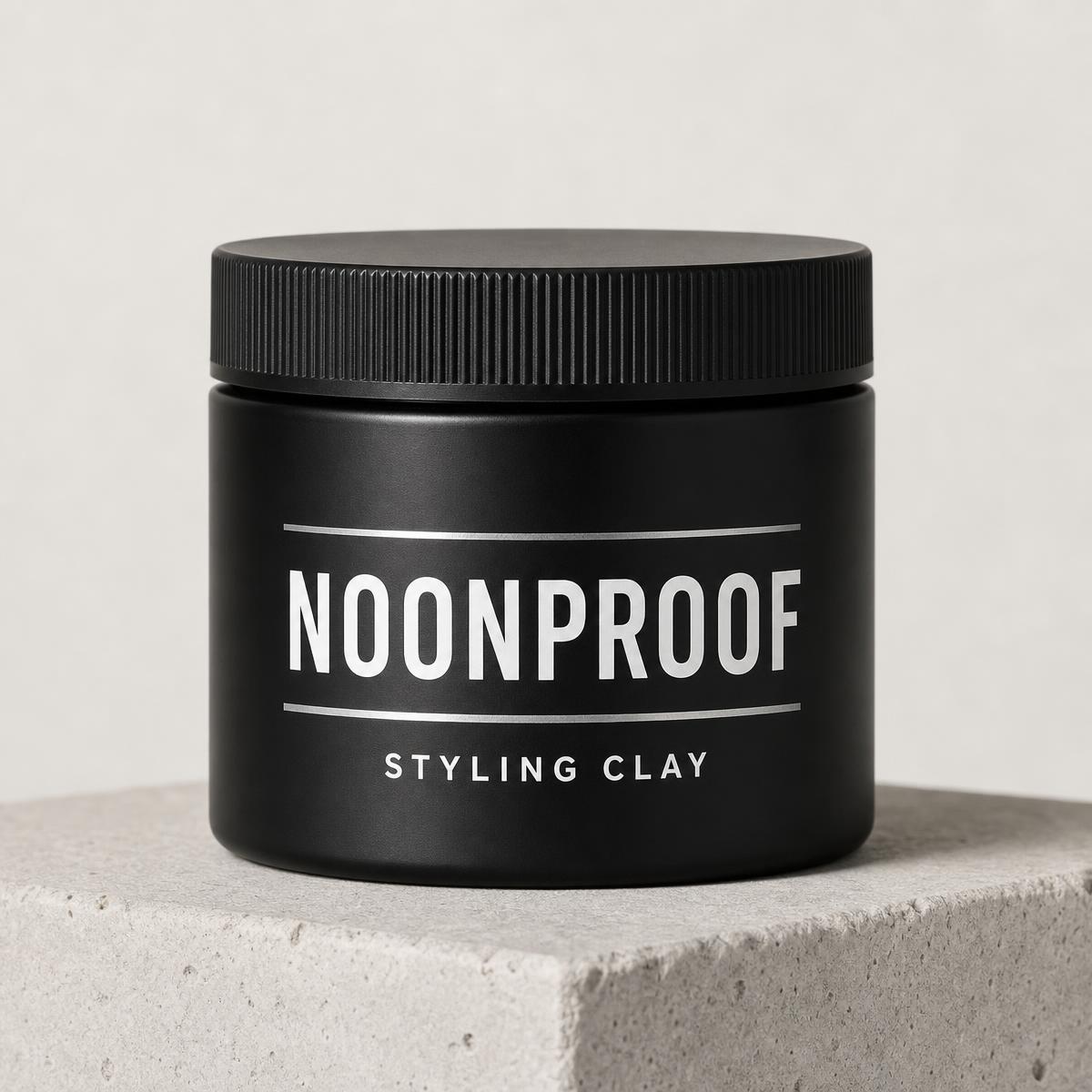
| Dry matte clay or paste | Holds well | Low moisture affinity; grip comes from texture rather than a soluble film |
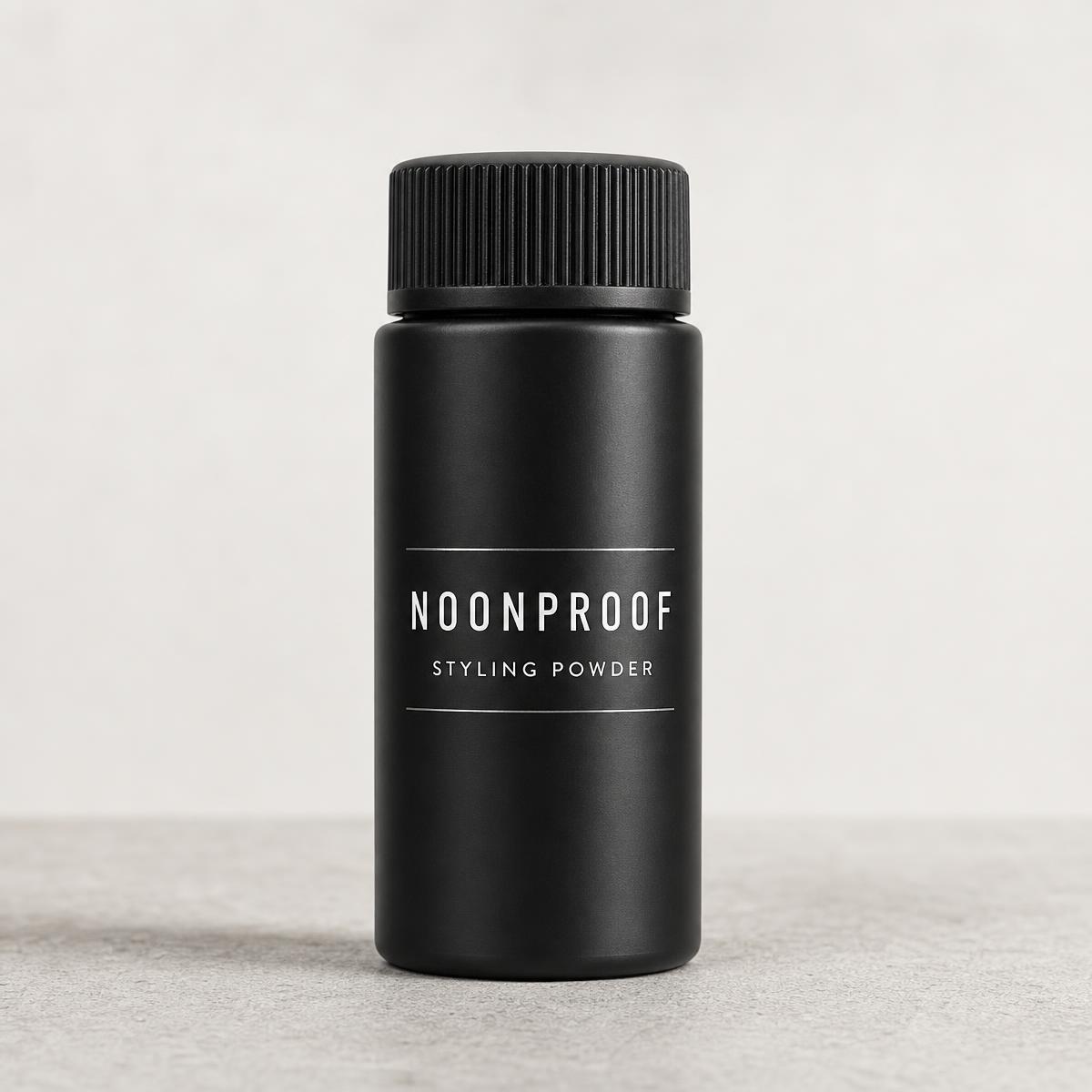
| Hair powder | Holds well at the root | Adds friction with no film to soften; absorbs some moisture |
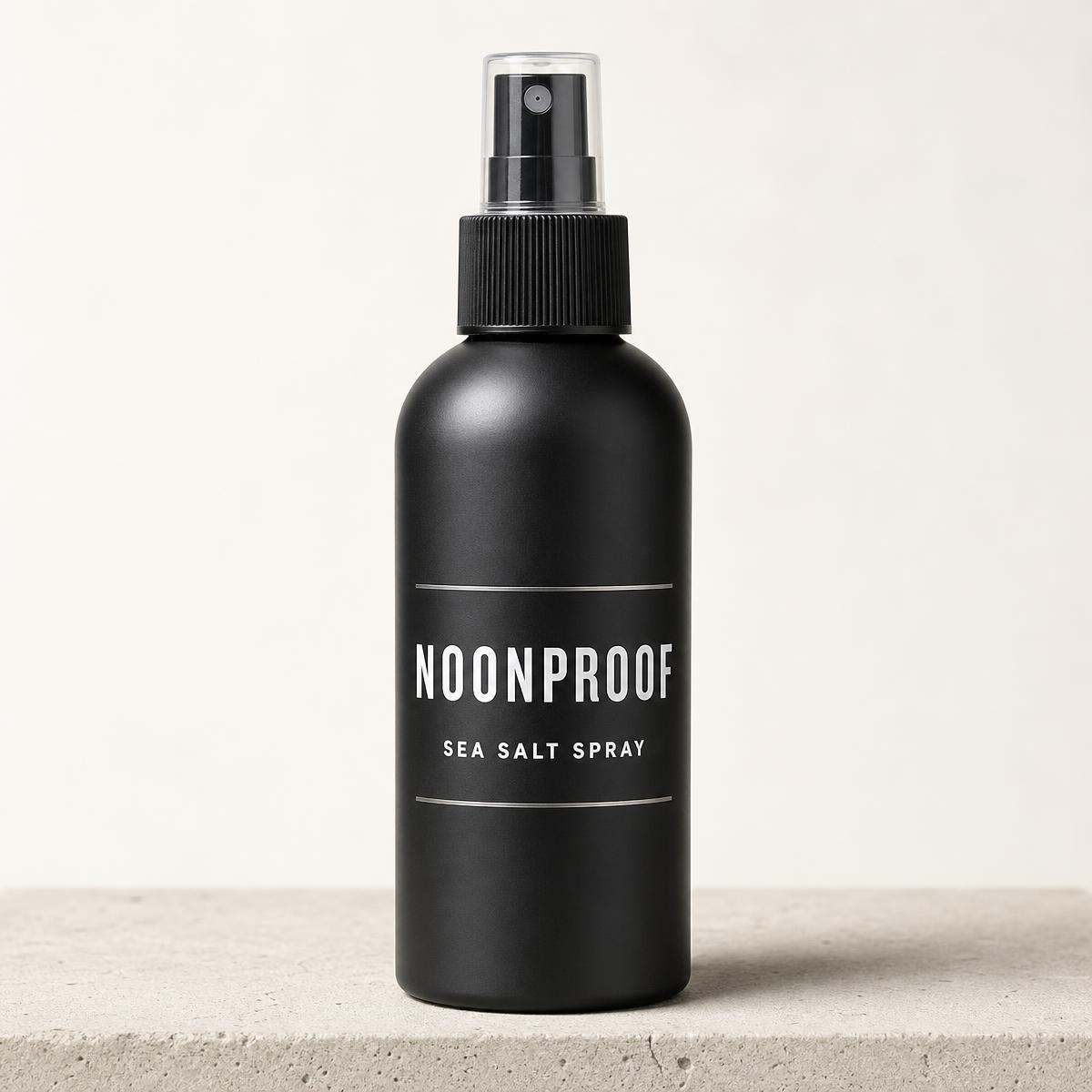
| Sea salt spray, then dried | Holds shape and separation | Texture is set into the strand before styling |
| Gels and wet-look products | Fails | The film softens as it takes on water, then drops |
| Heavy pomades and oils | Fails visually | Adds shine on top of the shine humidity already produces |
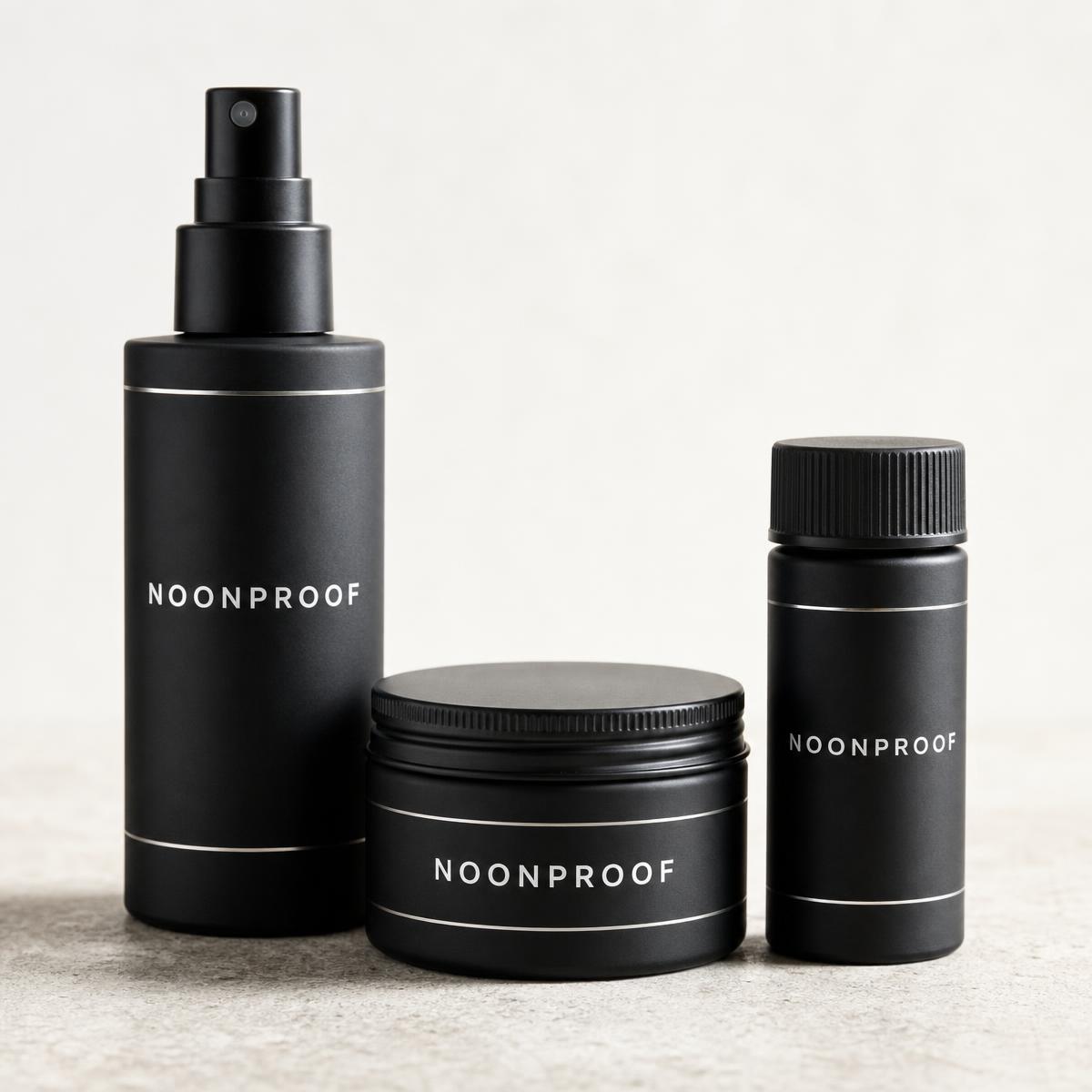
The practical version: on a humid day, choose the driest, most matte option you own, and put a little extra at the crown and hairline where sweat lands first.
Managing a genuinely hot, humid day
- Style earlier. Hair set well before you go out into heat has had longer to hold its shape.
- Keep the dose normal, not double. Overloading the hair in humidity produces heavy, shiny collapse rather than more hold.
- Carry powder, not cream. The recovery you will need is dry grip at the root. Cream adds weight to a root that has already dropped.
- Reset rather than rebuild. Lift at the scalp with dry fingertips, add a small amount of powder in the flattest spot, and leave the lengths alone.
- Accept a slightly looser shape. A style with visible texture reads well when it moves; a rigid style reads badly the moment it starts to fail.
If your hair is naturally wavy or textured, work with the swelling rather than against it — more separation and less smoothness will look deliberate at 4pm in a way that a flattened side-part will not. The related reading in wavy and textured hair covers that in more detail, and how to blow-dry thick hair for volume covers the drying technique itself.
Keep reading
Related guidance
Filter the library by the problem you are solving, your hair type, or the technique you want to get right.
 Blow-Dry Technique
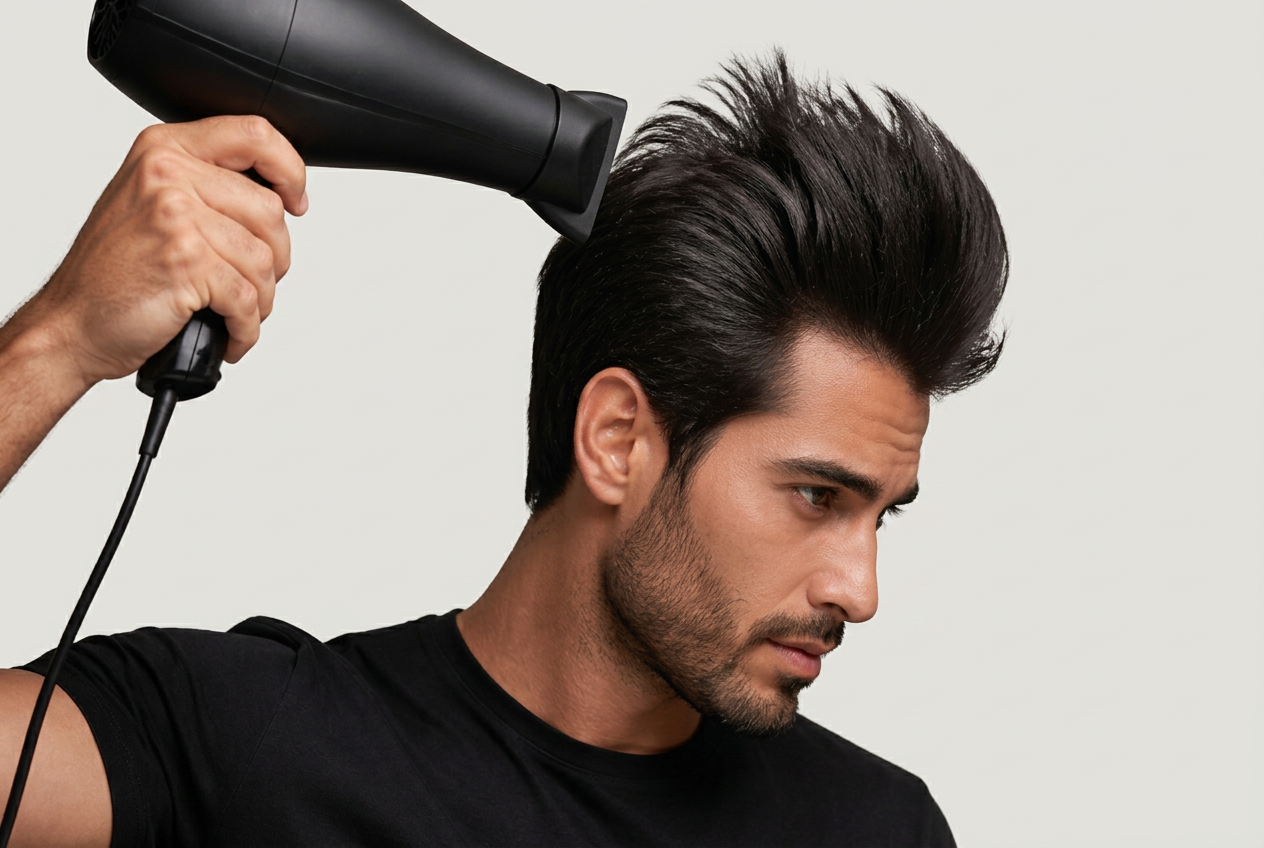
How to Blow-Dry Thick Hair for Volume That Lasts
The drying stage decides your whole day. A repeatable sequence for setting root direction in thick hair.8 min read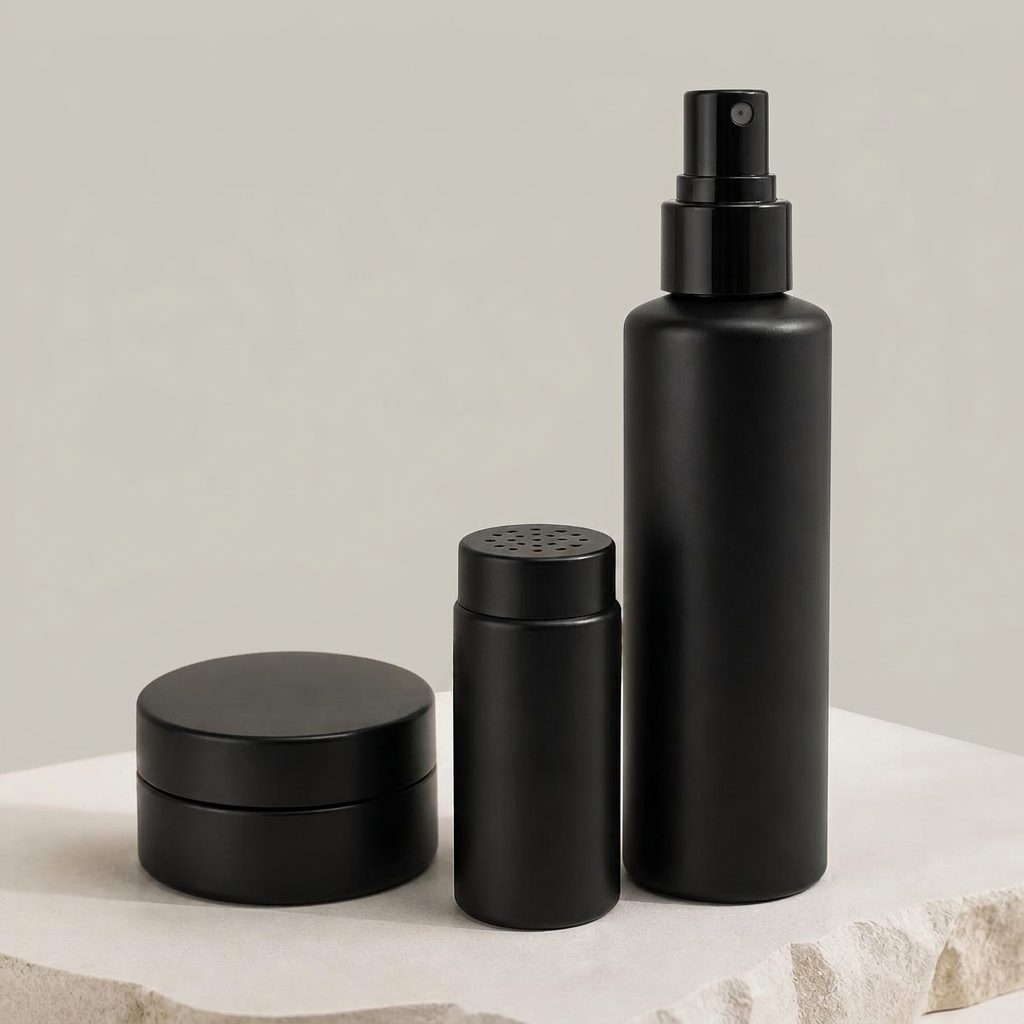 Product Education
Styling Clay vs. Hair Powder vs. Sea Salt Spray
Three products, three genuinely different jobs. A direct comparison on hold, finish, weight and who should skip each one.9 min read Wash Routine
How Often Should You Wash Your Hair?
There is no universal number. Wash frequency is decided by how quickly your scalp produces oil, how much product you use, and how much you sweat — and the honest answer for most men is fewer full washes than they think.9 min read Oil Control
Why Your Hair Becomes Oily by Noon
Your scalp is not the problem. Oil transport, touching and product placement decide whether your roots read clean at 2pm.8 min read