


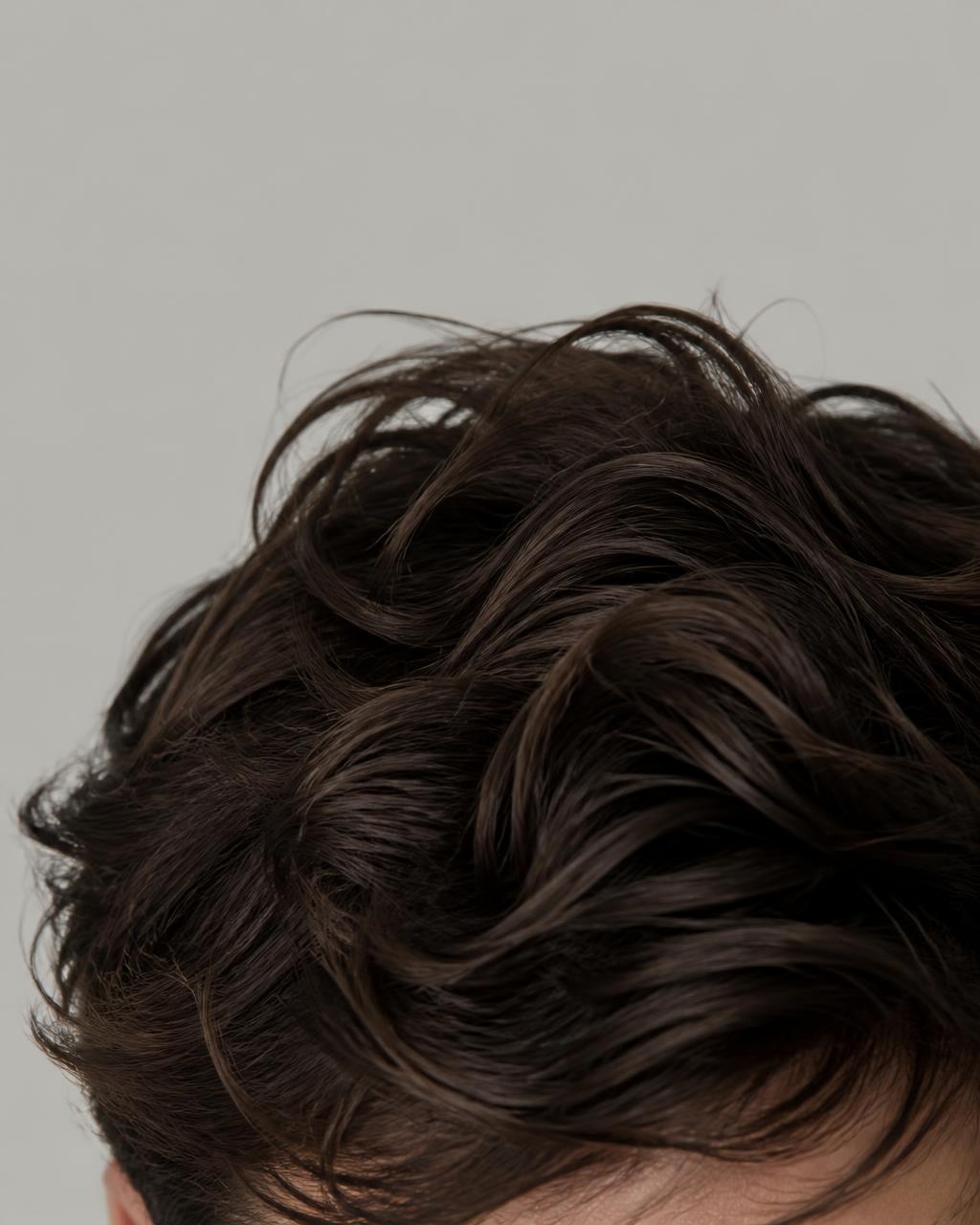
Product Education
Sea Salt Spray vs Hair Clay: When to Use Each
6 min readReviewed by the NoonProof editorial team
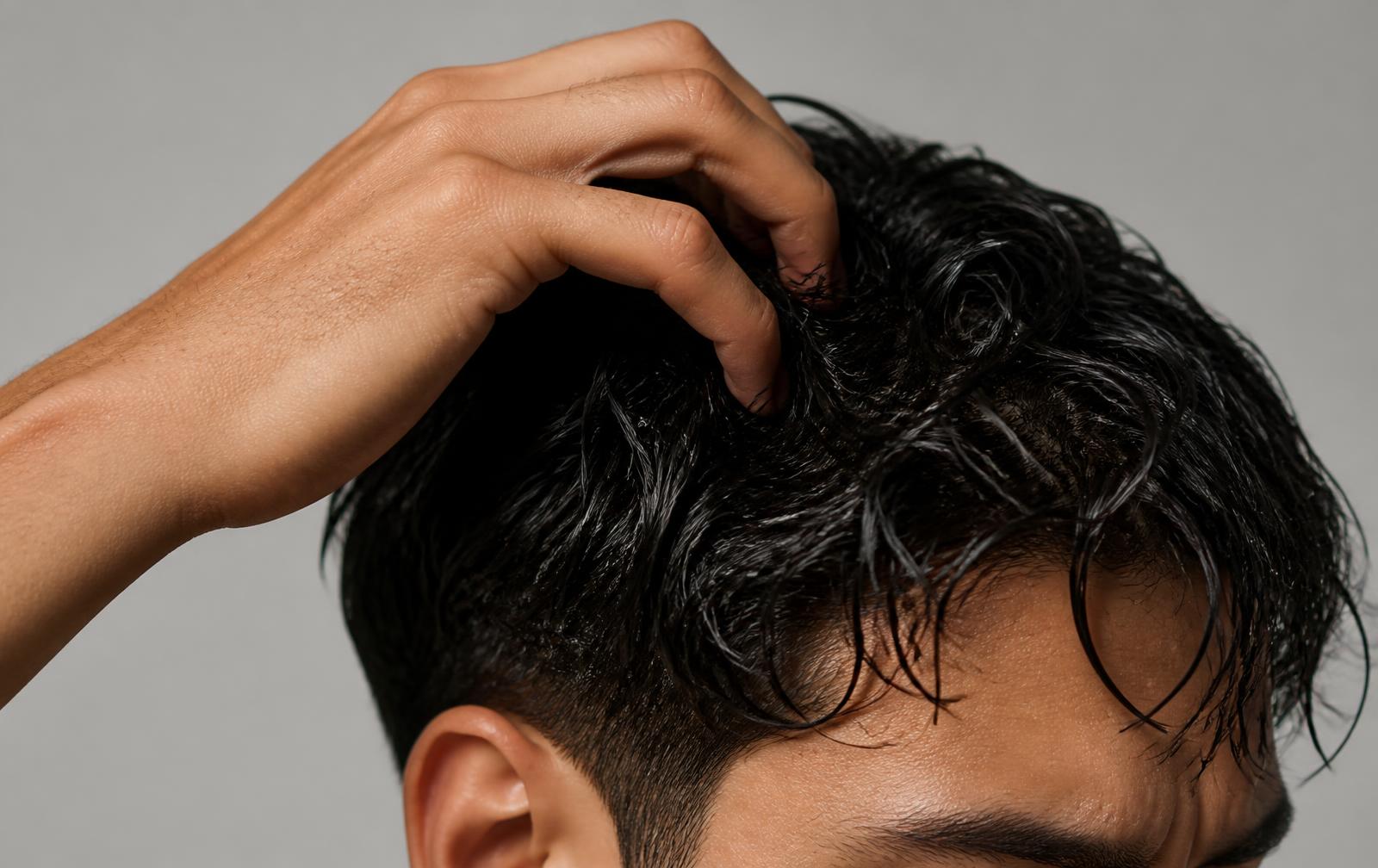
Quick answer
When should I use sea salt spray and when should I use clay?
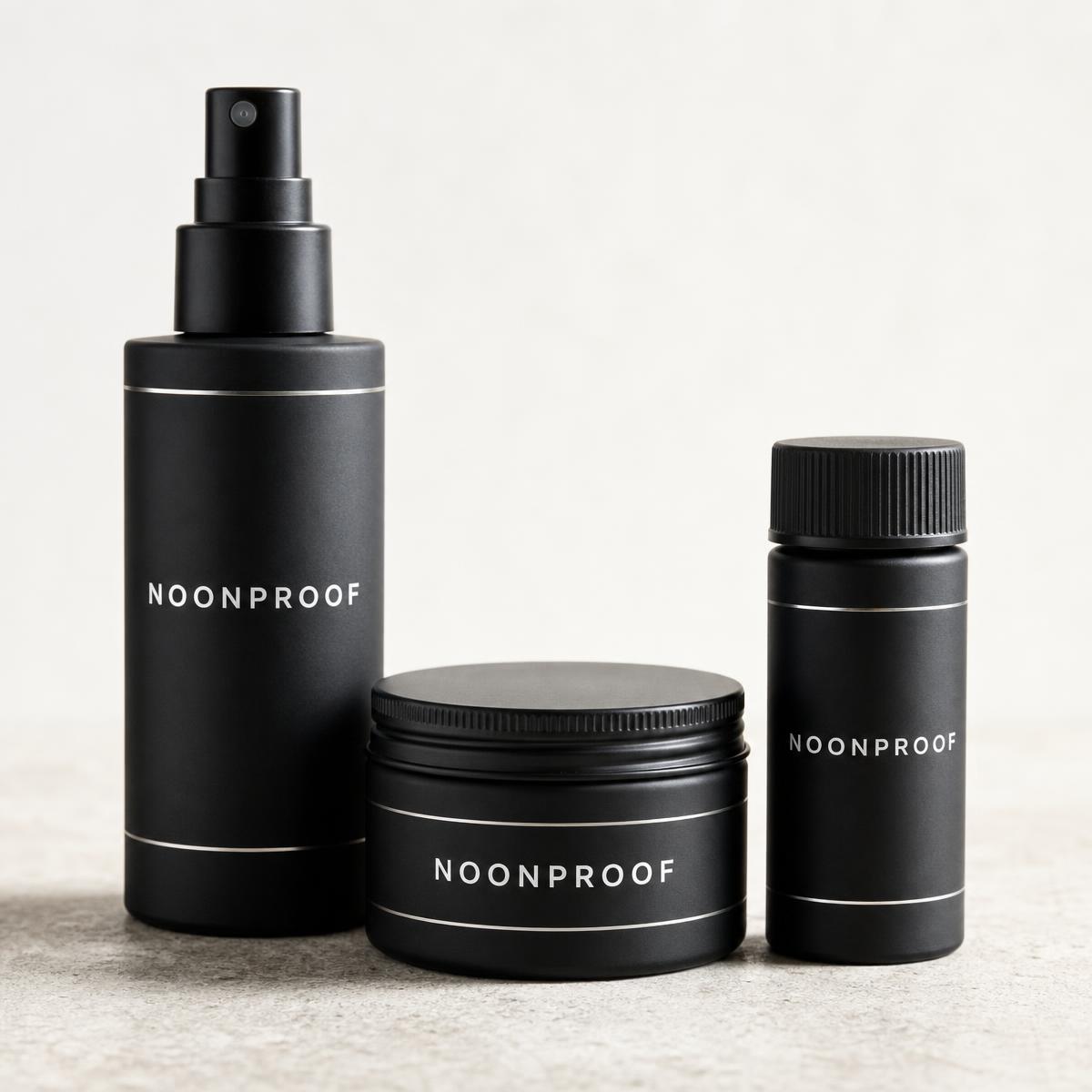
Use sea salt spray at the start of the routine, on damp hair, when the hair needs texture and grip before it is shaped. Use clay at the end, on dry hair, when the shape exists but will not stay. On most hair days the answer is both, in that order.[1]
Key takeaways
Decide in 10 seconds
Side by side
Start of routine
- Product type
- Sea salt spray
- Hair state
- Damp
- What it does
- Builds texture and grip
- Finish
- Natural
End of routine
- Product type
- Styling clay
- Hair state
- Dry
- What it does
- Holds shape and direction
- Finish
- Matte
General product-category behaviour, not a claim about any single formula.
Decision
Which one do I need?
Hair has no grip on a wash day?
Shape will not stay put?
Flat at the root before either?
Want the full order for your hair?
The timing rule
Everything about these two products follows from moisture.
Sea salt spray goes on damp hair. It works by being dried into the hair, so its effect is set as the shape forms.
Clay goes on dry hair. It works on the surface of an already-formed shape, holding direction and controlling movement.
That is why the comparison is really a sequence. Trying to swap their positions gives you a wet finished style or a shape that cannot be adjusted.
When to reach for sea salt spray
- Wash days, when hair is soft, slick and has no grip.
- When hair looks flat and sheet-like rather than separated.
- When a style slides out of place rather than losing hold.
- On thick, straight hair that resists holding any shape early in the day.
- When you want a natural, unstyled-looking finish rather than a set one.
Read why thick, straight hair falls flat for the mechanism behind the third and fourth cases.
When to reach for clay
- Second and third days, when hair already has texture but no direction.
- When the shape is right in the mirror and wrong an hour later.
- When you need defined edges — a part, a swept side, a controlled fringe.
- On wavy or curly hair that has plenty of texture and not enough control.
- On windy or busy days, where the style has to survive being touched.
A typical week
| Day | Hair state | What it needs |
|---|---|---|
| Wash day | Soft, slick, no grip | Spray, dried in, then clay to finish |
| Day two | Some texture, direction gone | Clay alone, sometimes a water reset first |
| Day three | Textured, weighed down at root | Root reset, then clay |
| Gym / heat | Damp with sweat, softened shape | Dry the root first, then clay sparingly |
This is a pattern, not a prescription — oil level and density move it by a day in either direction.
How your hair traits shift the balance
- Thick, dense hair. Spray earns its place almost every wash day; without it, clay is fighting weight.
- Fine, low-density hair. Spray often does most of the work; clay in small amounts, high on the surface only.
- Straight hair. Needs the texture stage more than the control stage.
- Wavy or curly hair. Needs the control stage more than the texture stage.
- Oily hair. Reset the root before either product; adding product over sebum shortens both.
- High styling resistance. Set the shape while drying; clay after the fact will not rescue a shape that never set.
Layering them without going heavy
- 01Spray on damp mid-lengths only — never at the scalp.
- 02Dry with direction, roots first, and finish cool.
- 03Warm a small amount of clay between the palms until it disappears.
- 04Apply to the surface and the shape lines, not the scalp.
- 05Adjust with dry fingers rather than adding more.
If the result feels heavy, the amount is the problem before the combination is. See how much hair product you should use, and hair clay vs sea salt spray if you are still deciding which to buy first.
Order matters
Not sure which stage your routine is missing?
6 questions
Find Your Styling SystemHow we know this
- Moisture state and product performance — Damp-hair products are set as the hair dries; dry-hair products act on the surface of a formed shape. The distinction drives the order of a routine.
- Sebum migration through the day — Sebum moves from the scalp along the strand over hours, softening a set shape and changing which stage of a routine needs attention.
- NoonProof styling observations — Timing framework from in-house routine testing across a normal wash week; presented as practical observation.
Last reviewed August 14, 2026
What this means for your routine
Where NoonProof fits
- PRE-STYLE
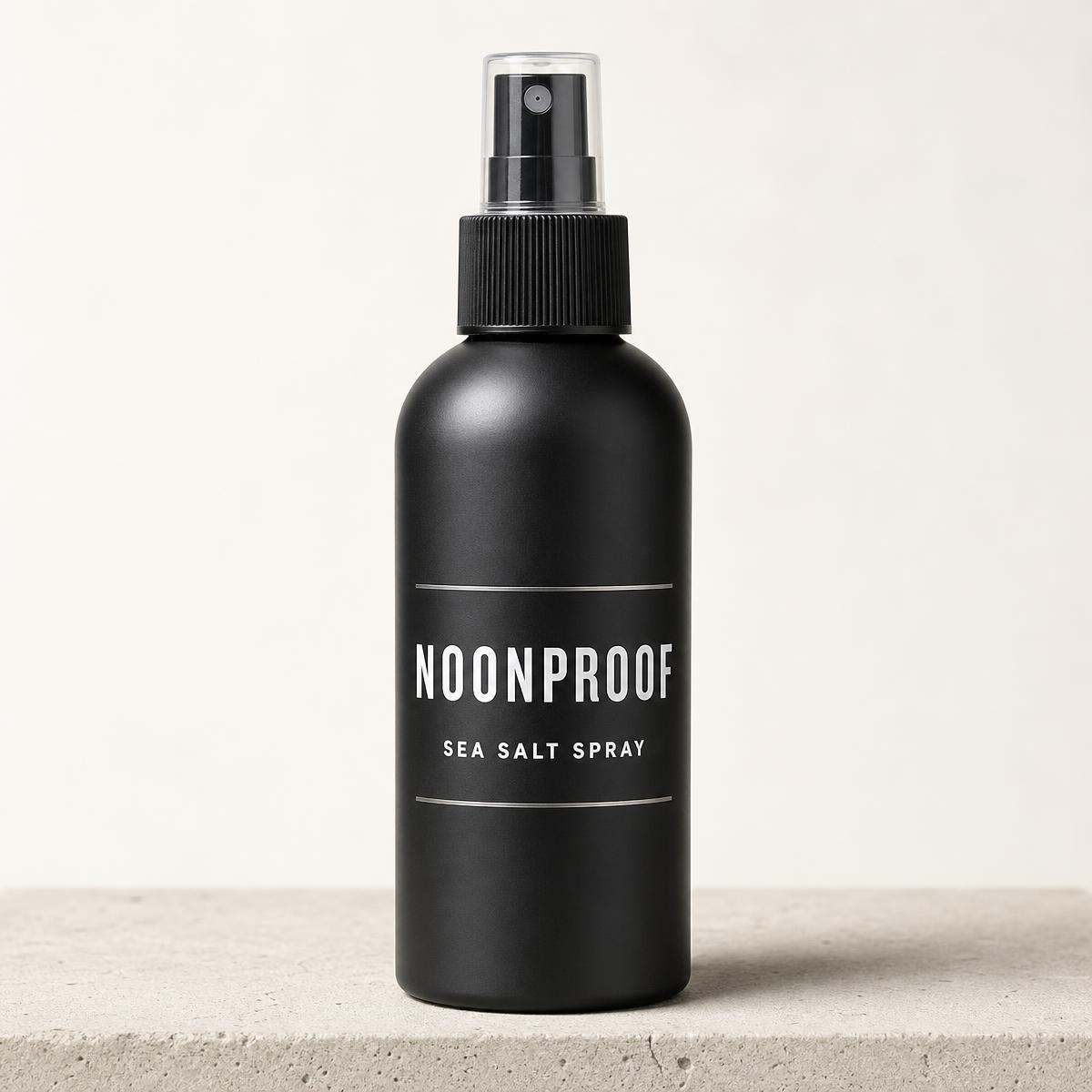
NoonProof Sea Salt Spray
Start of the routine, on damp hair.
See Sea Salt Spray - CONTROL + FINISH
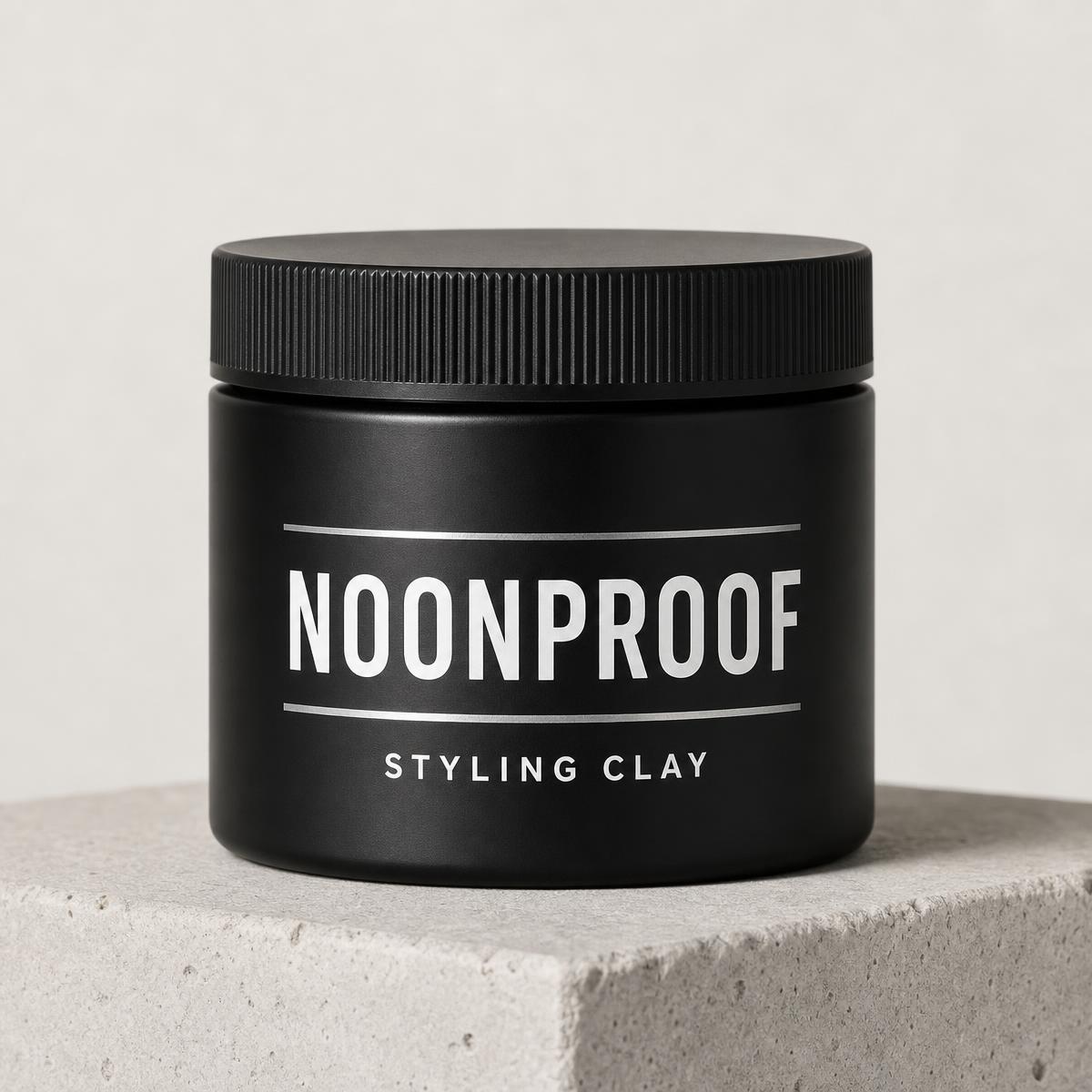
NoonProof Styling Clay
End of the routine, on dry hair.
See Styling Clay
Keep reading
Related guidance
Filter the library by the problem you are solving, your hair type, or the technique you want to get right.
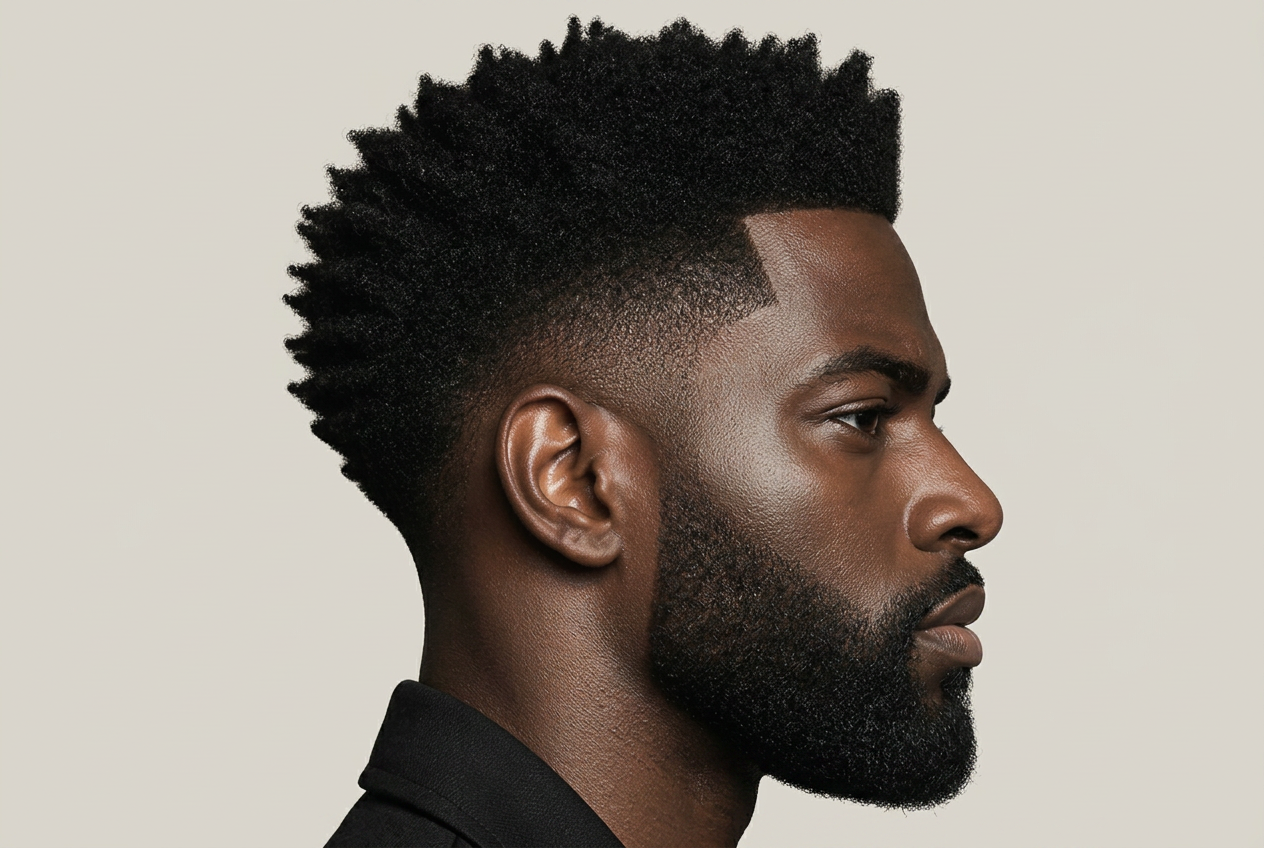 Product Education
Hair Clay vs Sea Salt Spray: Which Should You Use?
Clay and sea salt spray solve different problems at different points in a routine. This is what each one actually does, and how hair density, thickness and oil level decide which one you need.7 min read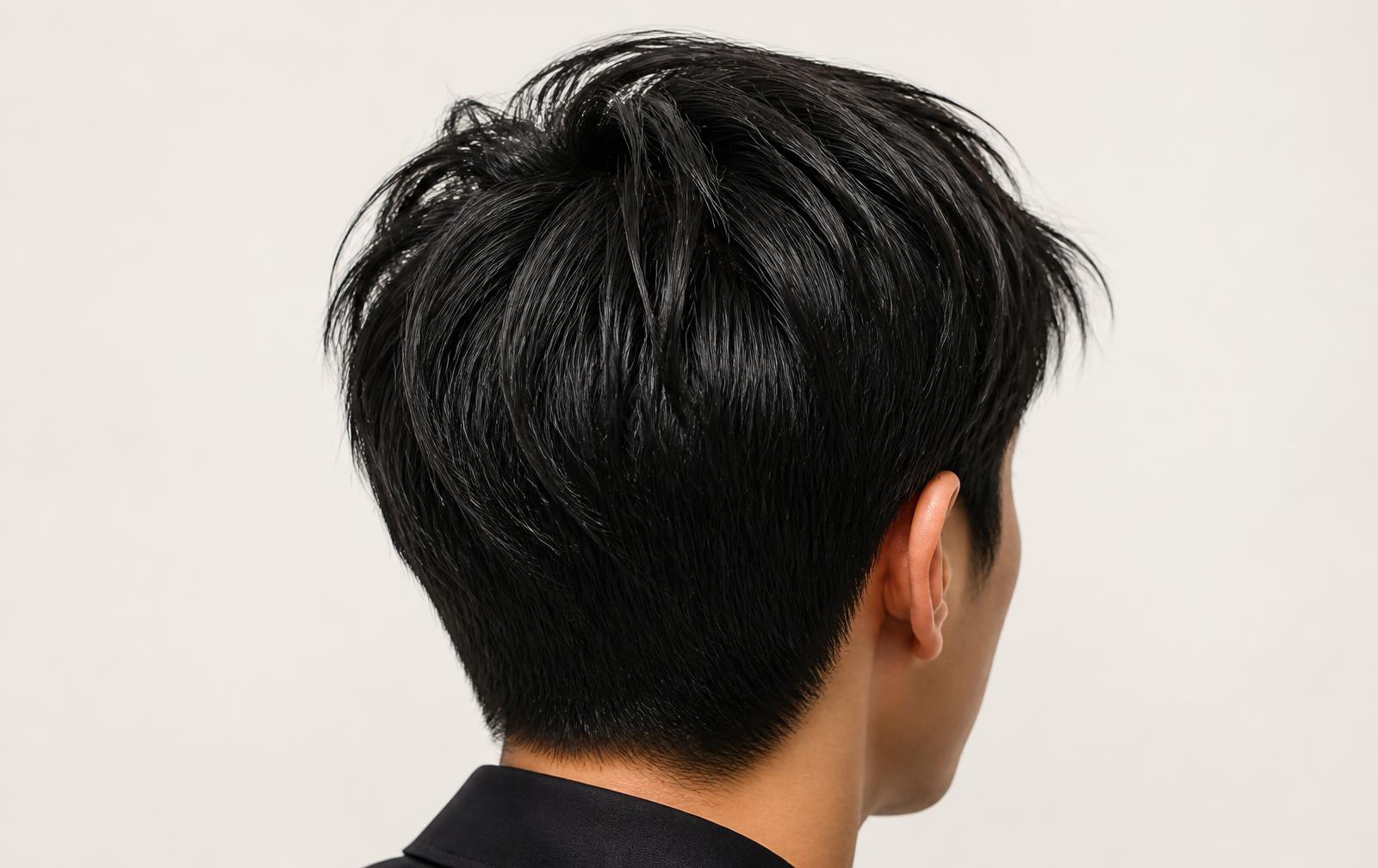 Product Education
Texture Powder vs Sea Salt Spray vs Clay: What's the Difference?
The fastest way to understand men's styling products is by the stage of the routine they belong to. This is the three-way difference, in one table and one decision.7 min read Application Technique
How Much Hair Product Should You Actually Use?
Most men use two to three times more than they need. Dosage, distribution and how to tell you have overdone it.8 min read Oil Control
Why Your Hair Becomes Oily by Noon
Your scalp is not the problem. Oil transport, touching and product placement decide whether your roots read clean at 2pm.8 min read