


Guides
What's Actually in Men's Hair Products? I Asked the Lab Formulating Mine
Months of sitting with a formulation lab taught me that most styling products are the same handful of building blocks in different proportions. Here is what those blocks do.
The short answer
Most men’s styling products are built from the same handful of parts: a base that carries everything, a hold system, something that controls shine, something that keeps the product stable, and fragrance. The differences between two jars on a shelf are usually proportions, not secrets.
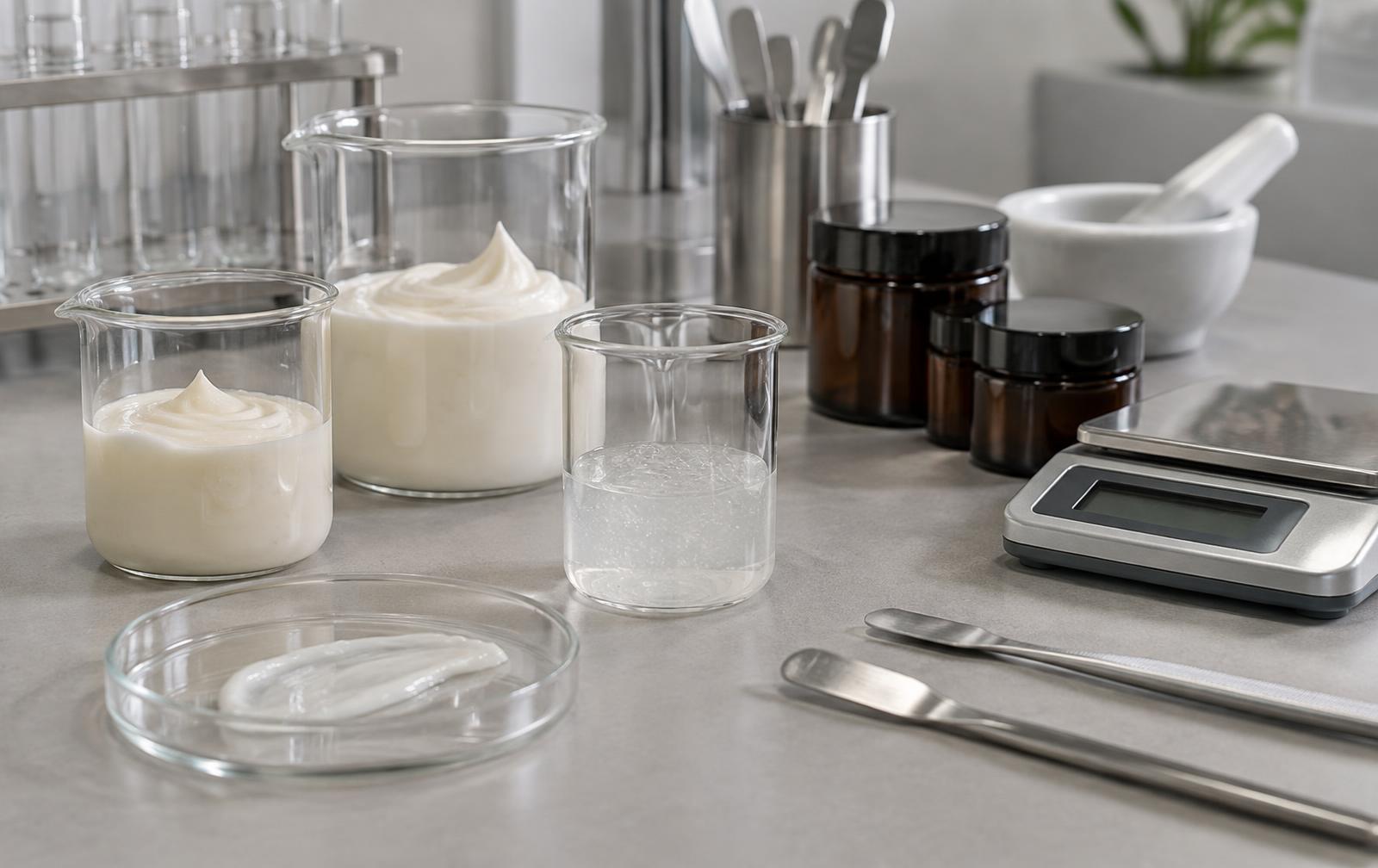
I spent months with a formulation lab going through those parts one at a time before we settled the NoonProof line. This is the plain version of what I learned, and the questions I would now ask about any product before buying it.
Key takeaways
- An ingredient list is ordered roughly by amount, so the first few entries describe most of the product.[1]
- Water or a wax and butter blend is usually the base — it carries everything else.[1]
- Hold comes from film formers and waxes; matte finishes come from powders and clays.[1]
- Preservatives are there so the product stays safe to use once it is open.[1]
- "Fragrance" is a single word that can cover a long undisclosed list.[1]
- Every ingredient should have a reason to be there that someone can explain to you.[1]
How to read the label
Ingredients are listed roughly in order of how much is in the product, so the first few names describe most of what you are holding. Anything near the end is present in a small amount. That single habit tells you more than any front-of-pack wording.
The names look intimidating because cosmetic labelling uses one standard naming system worldwide rather than everyday words. Long name, simple job, most of the time.
The parts of a styling product
The base
Usually water, or a blend of waxes and butters, or in a spray mostly water. It is the carrier: it gets everything else onto the hair and spreads it evenly. In a clay this is what decides whether the product emulsifies in your palms or drags.
The hold system
Film formers and waxes. They dry down into a thin layer around the hair that keeps a section where you put it. The choice here is what makes one product feel pliable and another feel rigid.
The finish
Clays, starches and fine mineral powders absorb light and oil, which is what reads as matte. In a texture powder this is essentially the whole product, which is why it is applied so sparingly.
Preservatives and stabilisers
Any product containing water needs a preservative system or it will not stay safe once you have opened it and put wet fingers in it. This is not a corner worth cutting for the sake of a shorter list.
Fragrance
“Fragrance” or “parfum” is one word that can stand in for a long undisclosed list. That is legal and common. It is also the part I found hardest to accept, because you cannot tell what you are putting on your head every morning.
The questions worth asking
Sitting across a bench from people who make these products for a living, the useful questions turned out to be very simple ones. What does this ingredient do? What happens to the product without it? Is it here for performance, for stability, or for the way the jar looks and smells?
Anything that could not survive those three questions came out. That is the whole editorial standard behind the line: every ingredient earns its place, no borrowed claims, and no black-box fragrance.
What this means for you
You do not need to memorise ingredient names. Read the first four entries, look for a stated reason for the fragrance, and be sceptical of any product whose front label promises more than its ingredients can plausibly do.
Then judge it the honest way: on your own hair, over a normal day.
Sources and editorial status
This guide describes general cosmetic formulation categories in plain language. It is not a chemistry reference, not medical advice, and it does not publish any specific formula.
Ingredient names on the products you own are the authoritative source for those products. If you have a sensitivity or a medical question, speak to a professional.
General styling guidance from the NoonProof editorial team. This article is not medical advice and does not describe verified product testing.
How this shaped the line
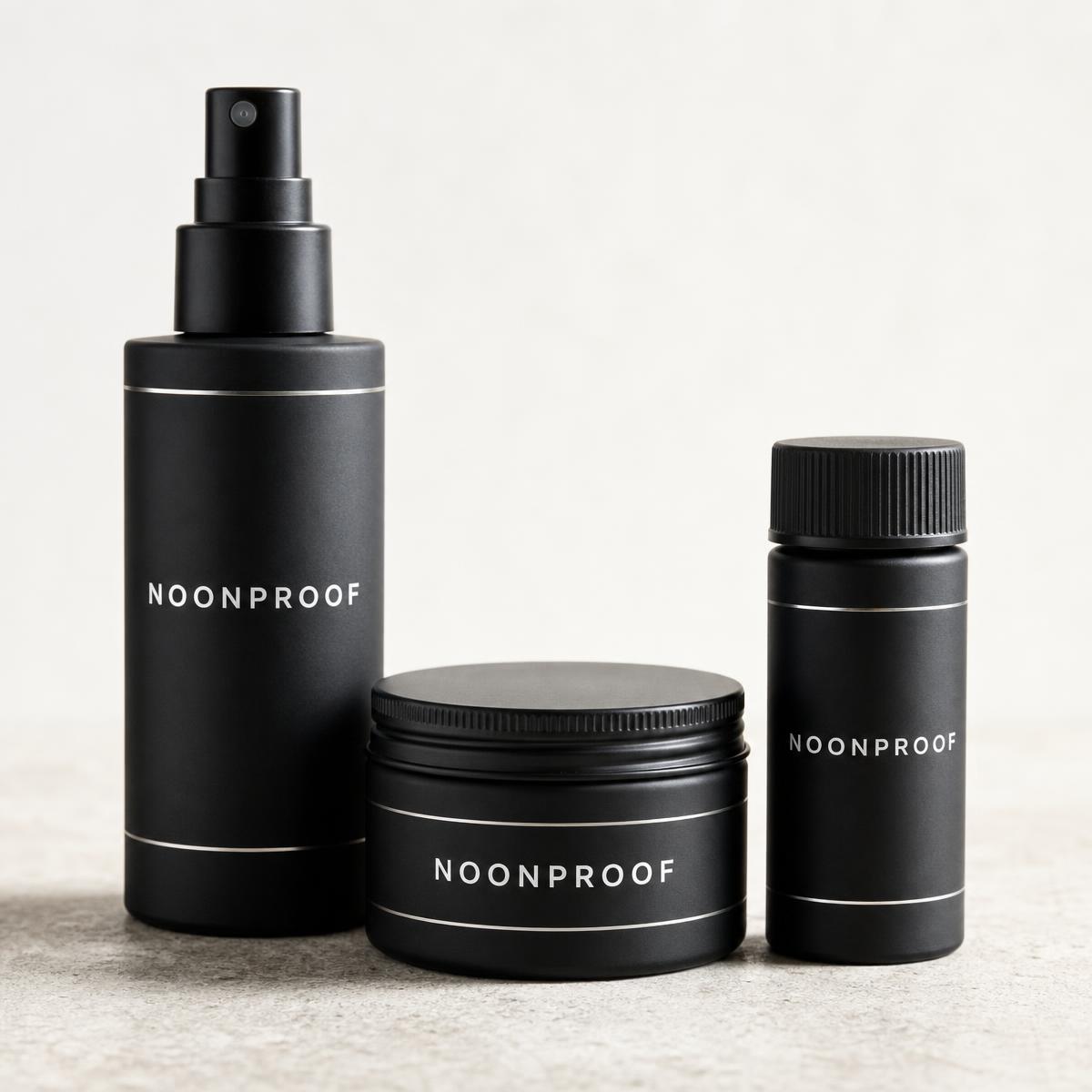
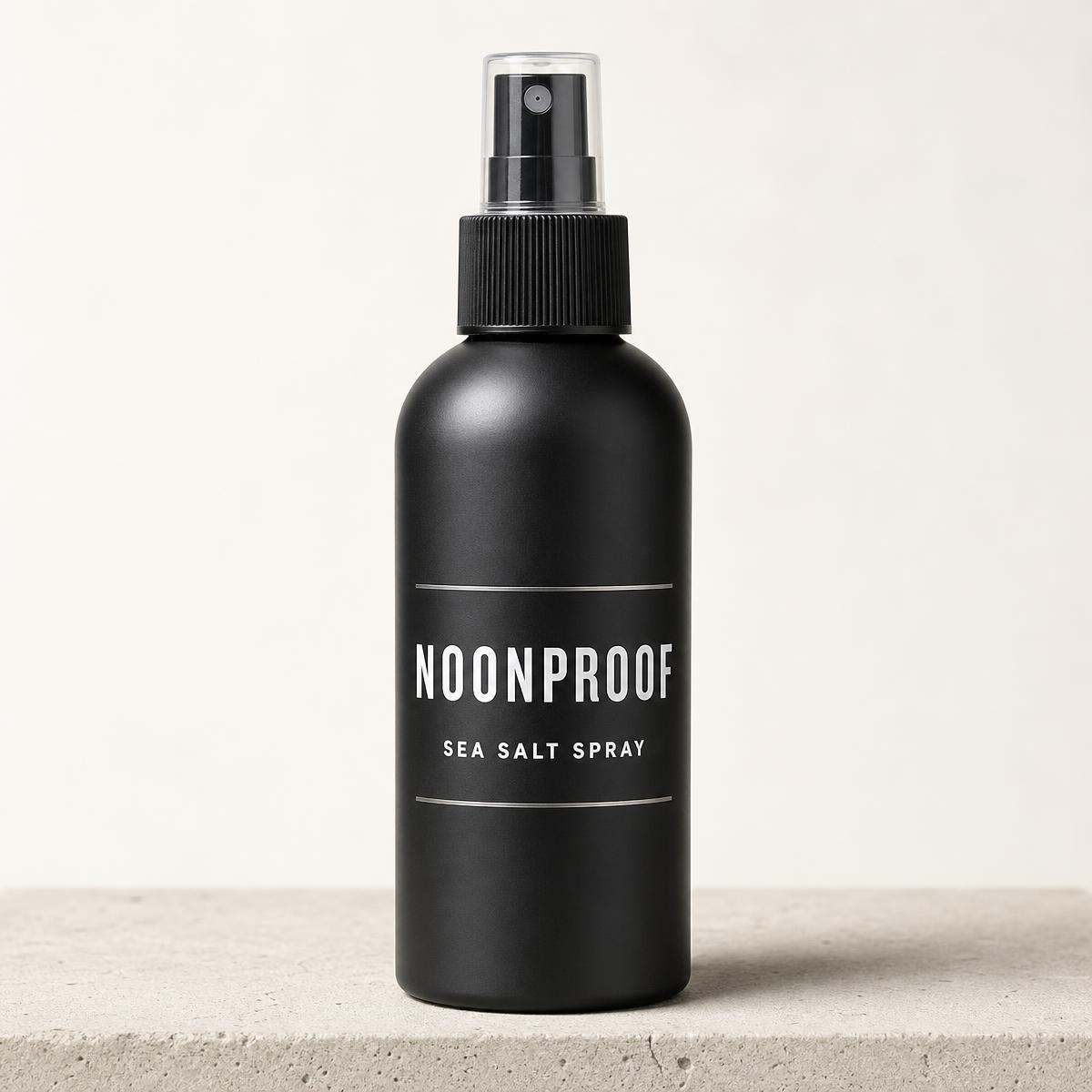
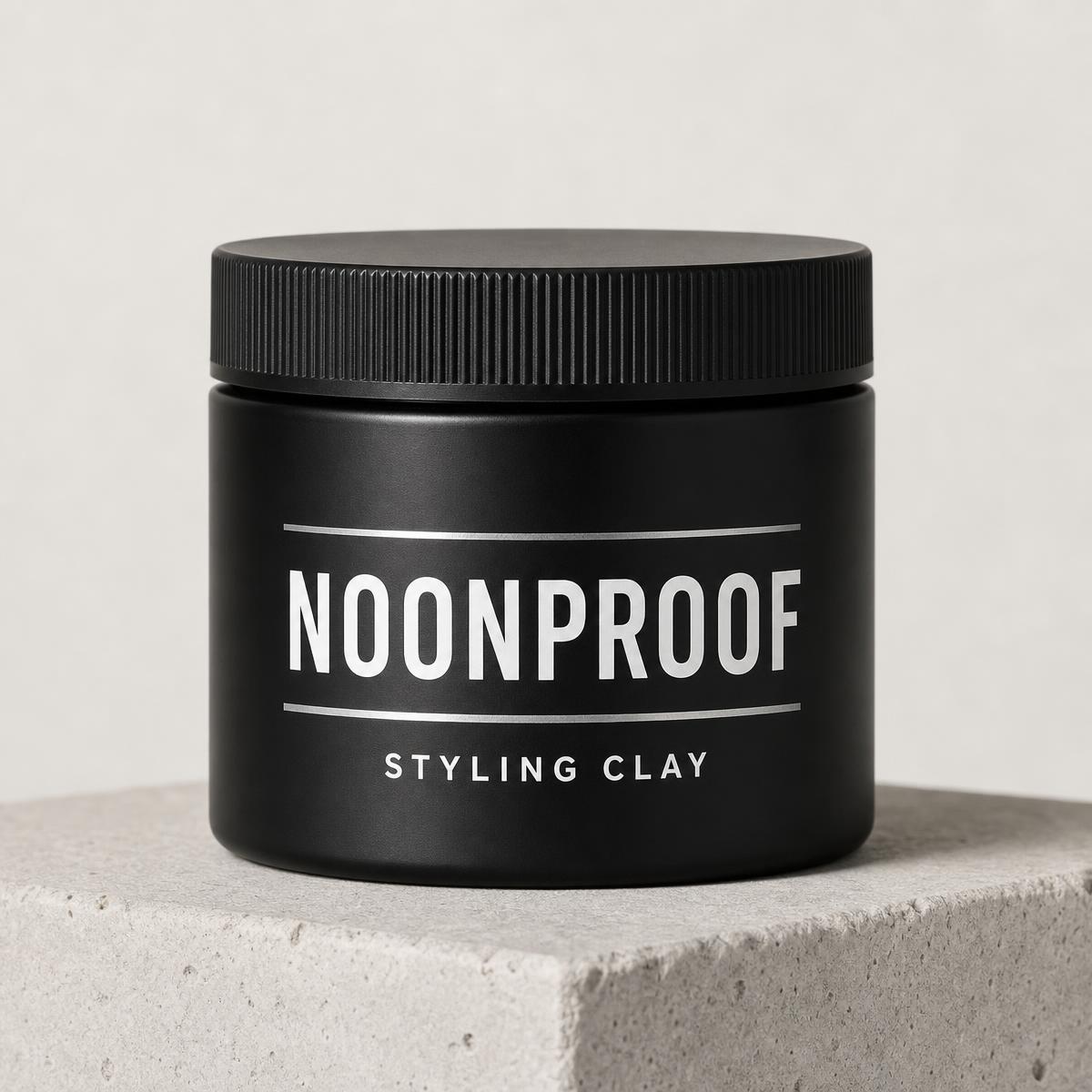
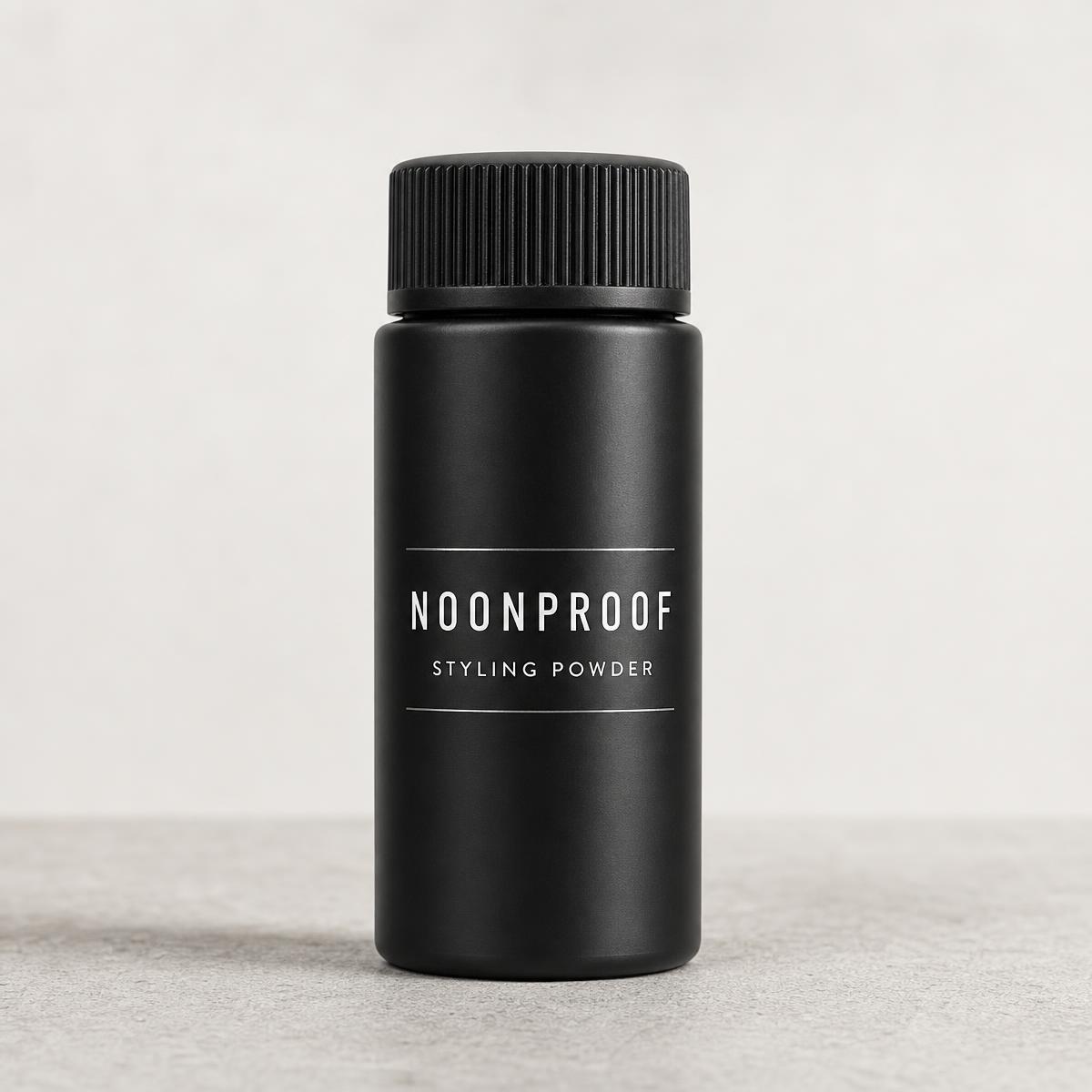
We kept the line short on purpose: Sea Salt Spray to prep damp hair, Styling Clay to build the shape, and Styling Powder to refresh the roots.