
Guides
Texture Powder vs Clay for Thick Hair: Which One Should You Use?
Powder and clay solve two different problems. Powder is for root lift and a dry matte finish; clay is for shape and control. This is how to pick the one your hair actually needs.
The short answer
Use texture powder when the problem is the root: hair that sits flat against the head, or looks shiny and heavy through the day. Use styling clay when the problem is shape: hair that will not hold a direction, separate or stay where you put it.
They are not competing products. Powder works dry, at the roots, in very small amounts. Clay works through the mid-lengths and ends to build the actual hairstyle. Thick hair often uses clay to shape and a light dusting of powder where lift is missing.
Key takeaways
- Powder is a root product — dry hair, small amounts, applied at the base.[1]
- Clay is a shaping product — warmed in the palms, worked from the roots outward.[1]
- Both leave a matte, dry-looking finish rather than a shine.[1]
- Thick hair usually needs shape first, then lift only where it is missing.[1]
- Too much of either reads as heavy or gritty; build in small amounts.[1]
- Powder can be added later in the day without rewetting the hair.[1]
What each product does
Texture powder
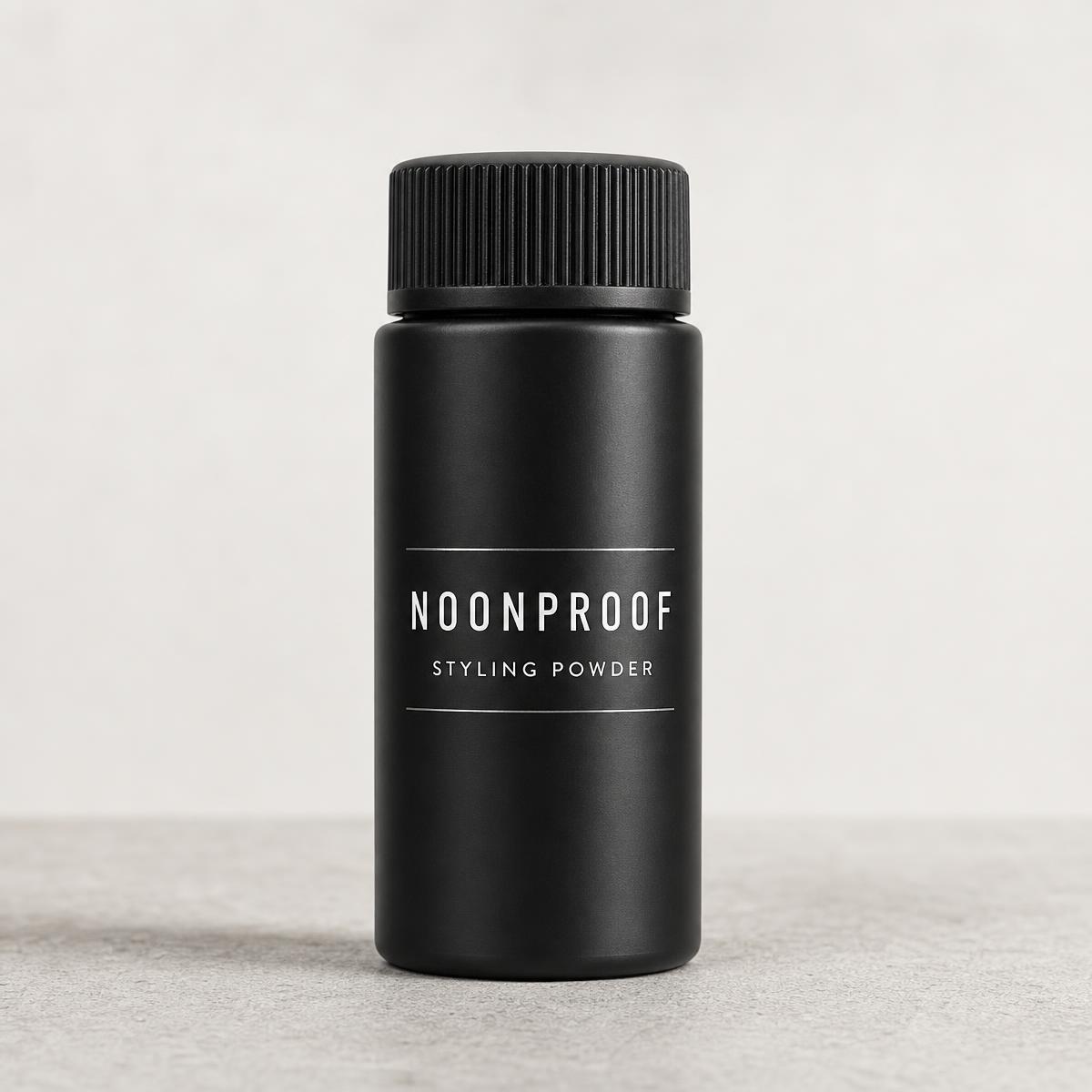
Powder is applied dry, directly at the roots. Worked in with the fingertips it adds grip at the base of the hair, which is what makes a section stand away from the head instead of lying against it. The finish is dry and matte.
Because it is dry, powder can be added later in the day without rewetting or restyling everything. It is also very easy to overuse — a small tap across two or three sections is a realistic start.
Styling clay
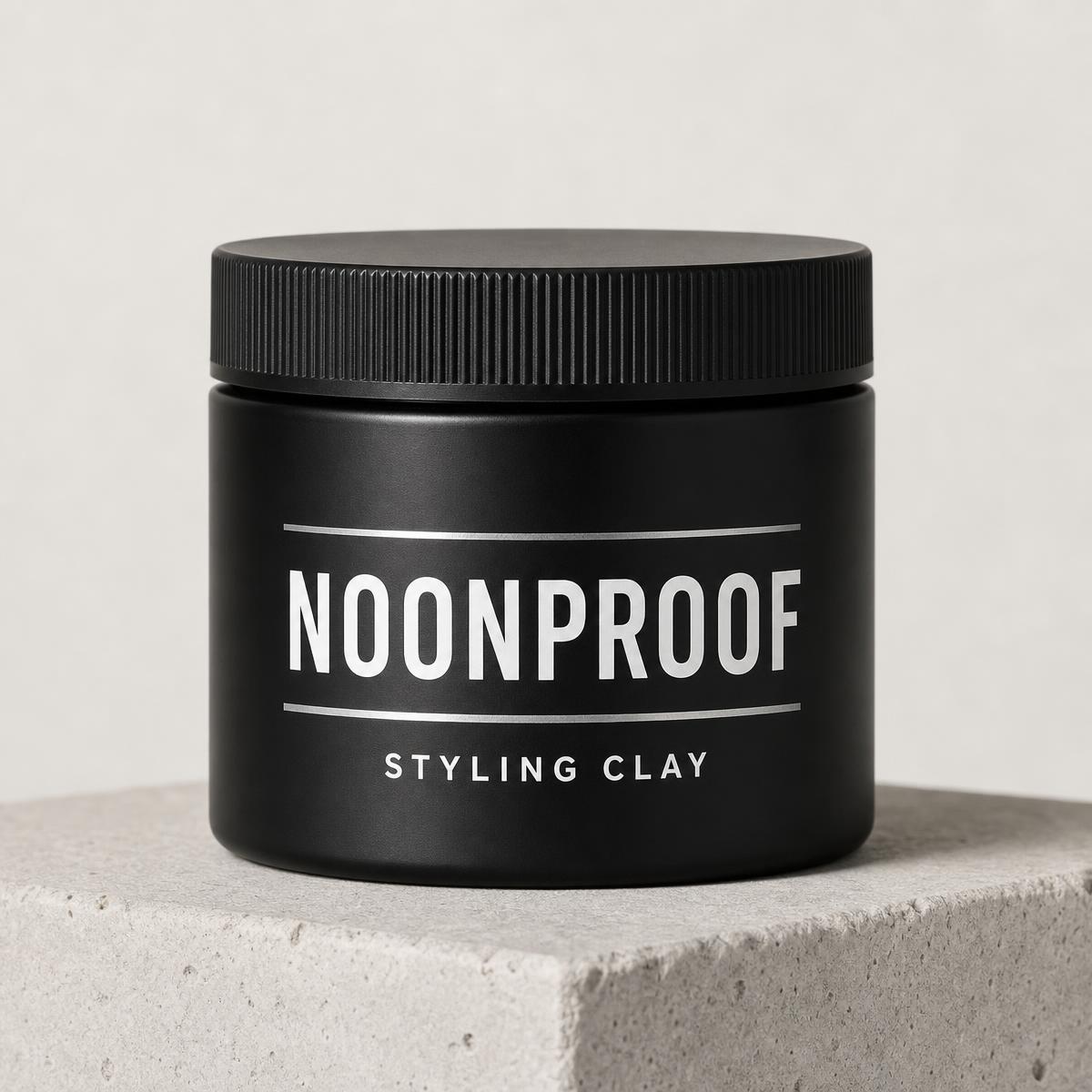
Clay is a shaping product. Warmed between dry palms it spreads evenly, and worked from the roots outward it lets you set a direction and keep separation between sections. The finish is matte rather than glossy.
Clay does the structural work: the parting, the sweep, the shape at the front. Add small amounts only where more control is needed.
Side by side
| Texture powder | Styling clay | |
|---|---|---|
| Hair state | Dry | Dry or towel-dry |
| Where it goes | Roots only | Roots outward, through the ends |
| What it is for | Lift and a dry matte look | Shape, control, separation |
| Finish | Matte, dry | Matte |
| Reapply during the day | Yes, without water | Better restyled with dry hands |
| Easy mistake | Too much in one spot | Applying it before warming it |
If your hair is thick and dense
Thick hair carries its own weight. That weight is usually what pulls a style down, so the order matters: build the shape first with clay, then look at the roots and add powder only where lift is genuinely missing — most often the crown and the sides of the front section.
Going the other way round tends to bury the powder under product, which is wasted effort. And if the hair already feels loaded, the fix is a wash and a smaller amount next time rather than another layer.
Using both in one routine
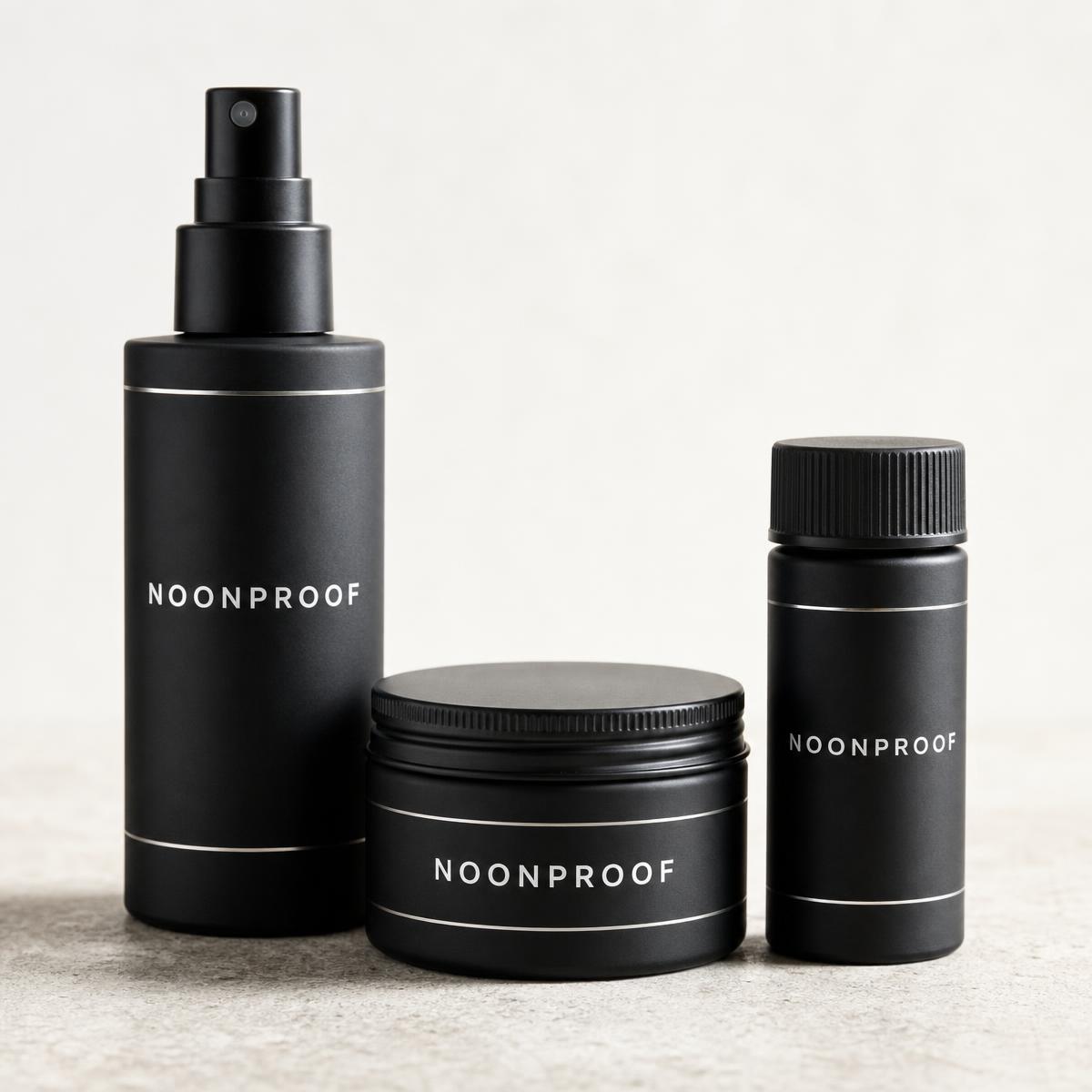
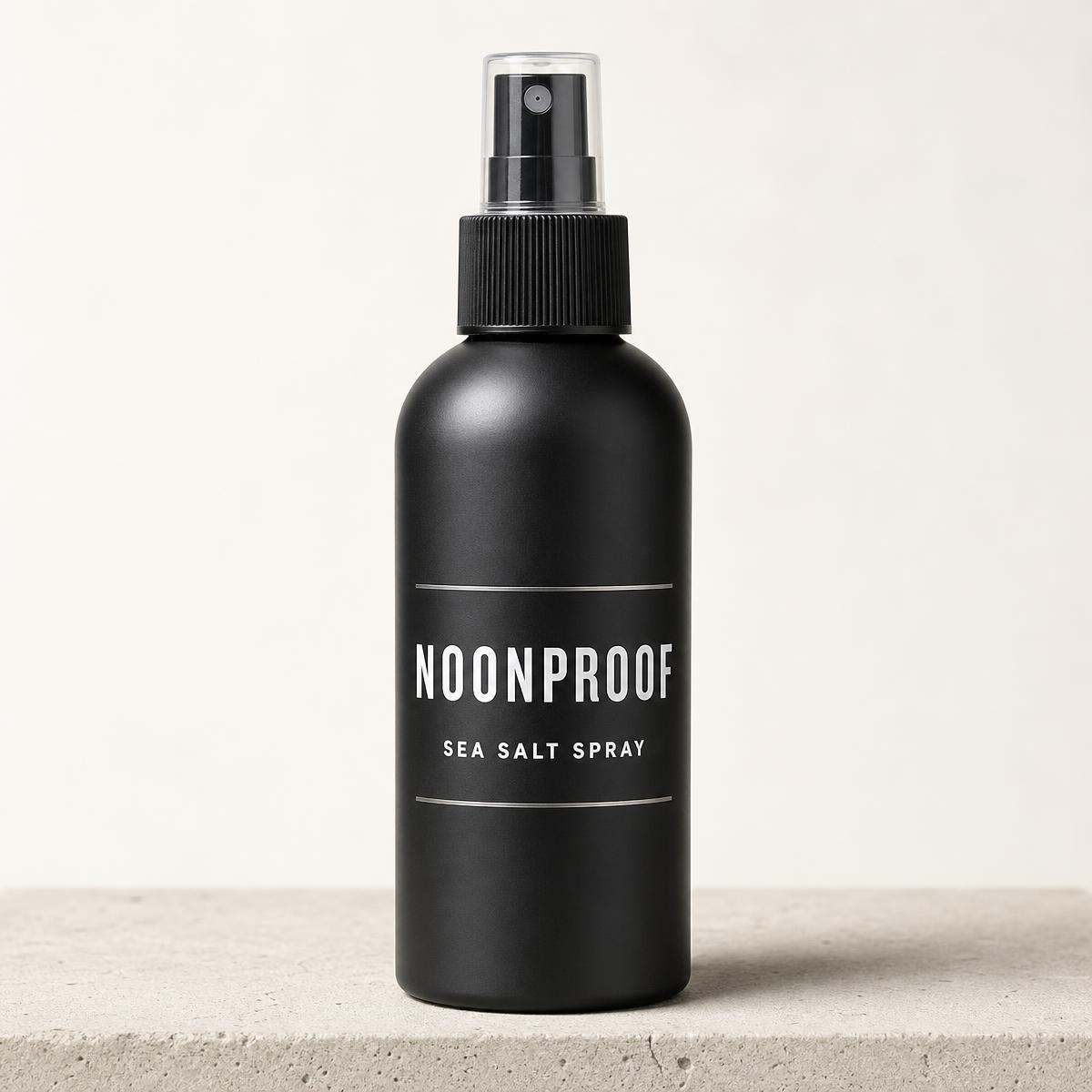
NoonProof treats styling as three steps in a fixed order: 01 PREP with sea salt spray on damp hair, 02 BUILD with clay on dry hair, 03 REFRESH with powder at the roots. Powder is the last thing you touch, not the first.
You do not need all three. Someone whose only complaint is flat roots may use powder alone. Someone whose hair holds volume but will not stay in shape may only need clay.
Sources and editorial status
This comparison describes intended use and common styling technique from the NoonProof editorial team. It is not based on a product test or a published study, and it makes no durability or performance claim.
Follow the directions on the specific product you are using and adjust to your own hair length and density.
General styling guidance from the NoonProof editorial team. This article is not medical advice and does not describe verified product testing.
Which one to reach for
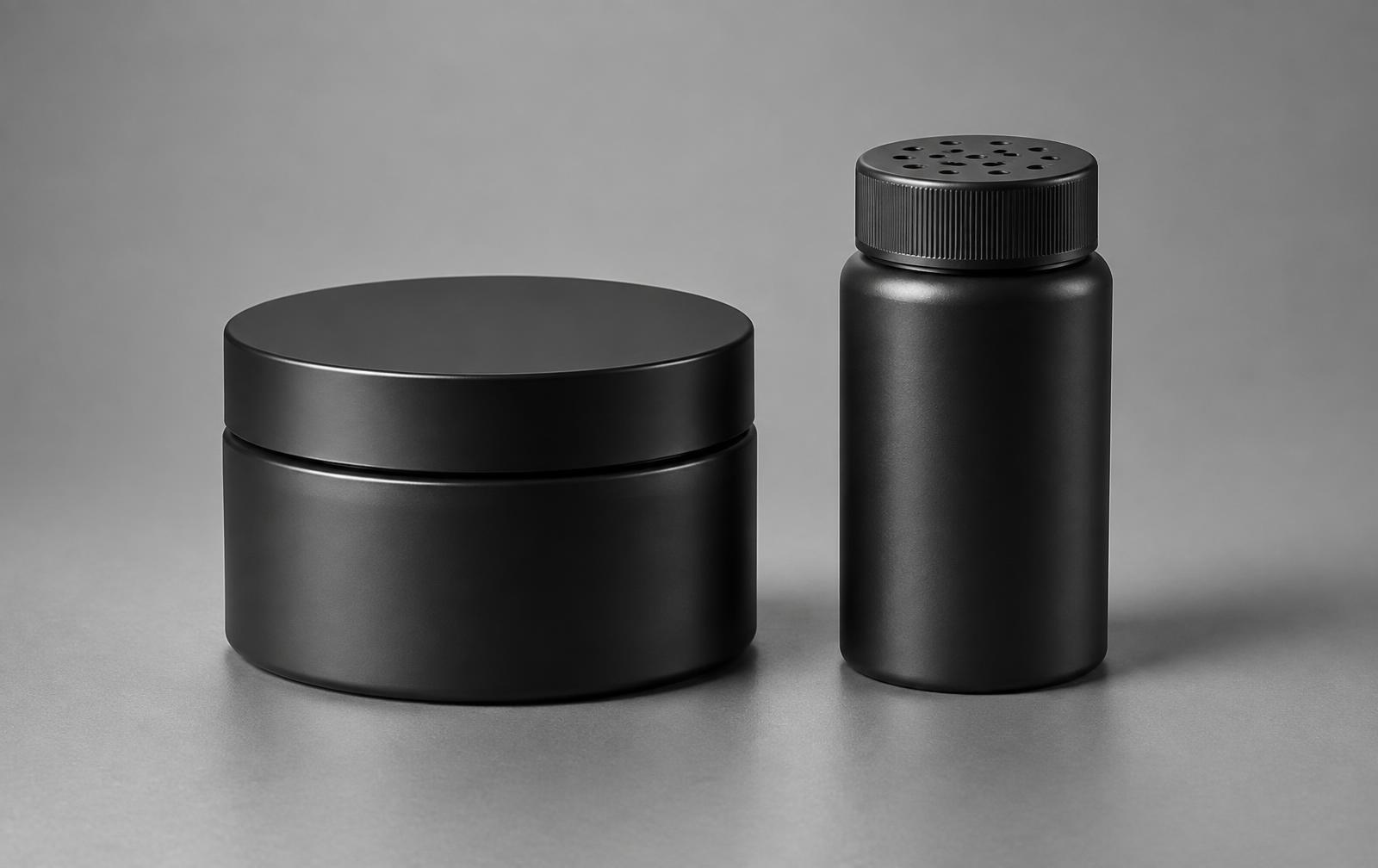
If you want shape and matte control, start with NoonProof Styling Clay. If your hair sits flat at the root or looks oily by the afternoon, start with NoonProof Styling Powder.
Not sure which describes your hair? Take the Hair Quiz or build the full routine.